Chiku, popularly known as sapota in India and sapodilla in English, is one of the most loved tropical fruits across the world. With its naturally sweet taste, soft texture, and rich caramel-like flavour, chiku has become a favourite fruit for people of all ages. From fresh fruit stalls in Indian markets to smoothies, milkshakes, desserts, and ice creams, chiku is widely consumed and appreciated for both its taste and nutritional value.
The fruit grows mainly in warm tropical climates and is cultivated extensively in India, Southeast Asia, Central America, and parts of South America. Over the years, chiku has earned a reputation as a delicious energy-rich fruit packed with fibre, vitamins, and minerals. Its creamy pulp and pleasant sweetness make it one of the most versatile tropical fruits in the food industry.
What is Chiku Called in English?
In English, chiku is called Sapodilla. The scientific name of the fruit is Manilkara zapota. In India, the fruit is commonly referred to as sapota or chikoo depending on the region and language.
Sapodilla is famous for its brown skin, soft juicy flesh, and grainy texture. The ripe fruit develops a rich sweetness that resembles caramel or brown sugar, making it highly desirable for desserts and beverages. Unlike many fruits that have a tangy or citrusy flavour, sapodilla stands out because of its naturally creamy and sugary taste.
The fruit originally belongs to Central America and Mexico, but today it is widely cultivated in tropical countries around the world, especially India.
Origin and History of Chiku

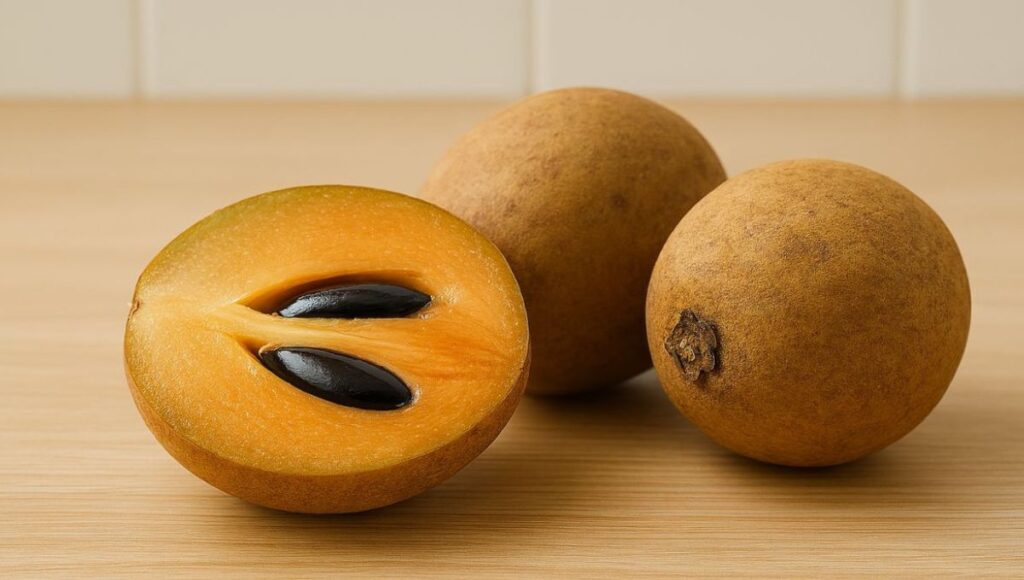
Sapodilla is believed to have originated in southern Mexico, Central America, and the Caribbean region. Ancient civilizations such as the Mayans were known to cultivate the sapodilla tree for both its fruit and latex.
Interestingly, the sapodilla tree also produced a natural gum-like substance called “chicle,” which was historically used in making chewing gum before synthetic alternatives became common.
The fruit was later introduced to Asian countries, including India, where it adapted extremely well to tropical climatic conditions. Over time, India became one of the largest producers and consumers of chiku globally.
Today, sapodilla trees are grown in many tropical and subtropical regions because they are hardy, long-living, and capable of producing fruits for many years.
Largest Producer of Chiku in India
India is among the world’s leading producers of sapodilla, and several states contribute significantly to cultivation. Among them, Karnataka, Gujarat, Maharashtra, Tamil Nadu, and Andhra Pradesh are major producers.
Karnataka
Karnataka is one of the largest chiku-producing states in India. The state’s warm climate, moderate rainfall, and fertile soil provide excellent conditions for sapodilla cultivation. Farmers in coastal and southern Karnataka cultivate the fruit extensively due to strong market demand.
Gujarat
Gujarat is another major producer of chiku, especially in regions such as Valsad and Navsari. Sapota farming has become an important agricultural activity in these areas because the fruit grows successfully in tropical temperatures.
Maharashtra
Maharashtra also plays a key role in chiku production. The fruit is commonly cultivated in the Konkan belt and other warm regions where humidity and temperature favour healthy fruit growth.
The popularity of chiku farming continues to increase because the fruit has consistent demand throughout the year.
Nutritional Value of Chiku
Chiku is not only delicious but also highly nutritious. It contains several important nutrients that contribute to overall health and energy.
Rich Source of Natural Sugars
Sapodilla contains natural sugars such as fructose and sucrose, which provide quick energy. This makes it a favourite fruit among children, athletes, and people looking for a naturally sweet snack.
High in Dietary Fibre
The fruit contains a good amount of dietary fibre, which supports healthy digestion and helps maintain gut health. Fibre also helps people feel full for longer periods.
Contains Essential Vitamins
Chiku contains vitamins such as Vitamin C, Vitamin A, and several B-complex vitamins. These nutrients support immunity, skin health, and general well-being.
Good Source of Minerals
Sapodilla also provides minerals like potassium, iron, calcium, phosphorus, and magnesium, which contribute to healthy body function.
Energy-Rich Fruit
Because of its carbohydrate content and natural sweetness, chiku is considered an energy-boosting fruit. Many people consume it as a healthy snack or as part of smoothies and desserts.
Taste and Texture of Chiku
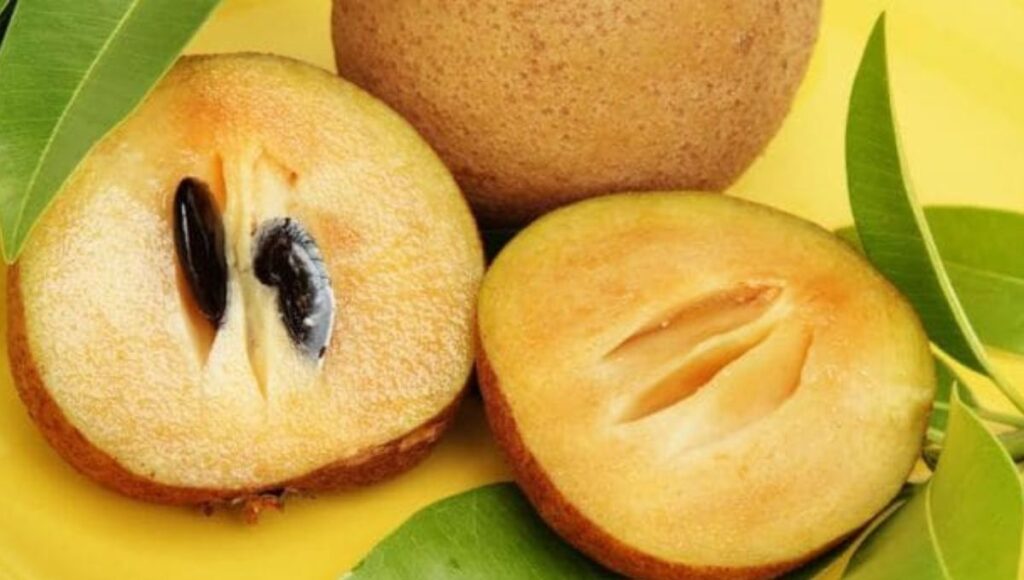
One of the biggest reasons behind chiku’s popularity is its unique taste and texture.
The fruit has:
- Soft brown skin
- Sweet juicy pulp
- Slightly grainy texture
- Caramel-like flavour
When fully ripe, sapodilla becomes extremely sweet and soft. Its creamy consistency makes it ideal for beverages and desserts. Unlike many tropical fruits that become acidic when overripe, chiku generally becomes sweeter as it ripens further.
The texture of chiku is often compared to pear mixed with brown sugar because of its smooth yet granular pulp.
Uses of Chiku
Chiku is an extremely versatile fruit and is used in many ways across homes, restaurants, and food industries.
Eaten Fresh
The most common way to enjoy sapodilla is by eating it fresh. People simply peel the fruit, remove the seeds, and consume the soft pulp.
Milkshakes and Smoothies
Chiku milkshakes are especially popular in India. The creamy texture of sapodilla blends perfectly with milk, making thick and naturally sweet beverages.
Ice Creams and Desserts
Sapodilla flavour is commonly used in:
- Ice creams
- Kulfi
- Cakes
- Puddings
- Mousses
- Fruit creams
Its caramel-like taste makes it ideal for desserts without needing excessive added sugar.
Fruit Salads
Chiku is also added to fruit salads because it combines well with bananas, apples, mangoes, and papayas.
Jams and Syrups
Food manufacturers use sapodilla to prepare jams, syrups, and fruit concentrates.
Beverages Industry
Sapodilla flavouring is widely used in juice shops and beverage industries because of its rich tropical taste.
Health Benefits of Chiku
Supports Digestion
The dietary fibre present in sapodilla supports digestion and promotes healthy bowel movement.
Provides Instant Energy
Natural sugars and carbohydrates make chiku an excellent energy-giving fruit.
Helps Maintain Hydration
The fruit contains water and minerals that support hydration, especially during hot weather.
Supports Immunity
Vitamin C and antioxidants present in the fruit may help support immune function.
Good for Skin
Several nutrients present in sapodilla contribute to healthy skin and may help improve skin texture.
Naturally Filling
Its fibre content makes the fruit satisfying and useful as a healthy snack option.
Interesting Facts About Chiku
1. Chiku Is Naturally Sweet
Sapodilla is one of the sweetest tropical fruits. Its natural sugars intensify as the fruit ripens, creating a rich caramel-like flavour loved by dessert makers worldwide.
2. Chiku Trees Can Live for Decades
Sapodilla trees are long-living and can continue producing fruits for many years when maintained properly.
3. It Was Once Linked to Chewing Gum
The sapodilla tree produces chicle, a natural latex historically used in making chewing gum.
4. Chiku Is Popular in Summer Drinks
Chiku milkshakes and smoothies become extremely popular during summer because of their cooling and refreshing taste.
5. The Fruit Changes Texture as It Ripens
Unripe chiku is hard and less sweet, but ripe sapodilla becomes soft, juicy, and highly flavourful.
6. India Is One of the Largest Consumers
India not only produces large quantities of chiku but also consumes it widely due to its popularity in homes and juice centres.
7. Sapodilla Trees Are Evergreen
The tree remains green throughout the year and continues bearing fruits seasonally.
8. Chiku Is Widely Used in Desserts
Its creamy pulp and rich flavour make it a preferred ingredient for sweets and frozen desserts.
How to Identify a Ripe Chiku
Many people struggle to identify whether a chiku is ripe. Here are some easy signs:
- The fruit becomes slightly soft when pressed gently.
- The skin changes to a dull brown colour.
- Ripe chiku gives off a sweet aroma.
- Hard sapodilla is usually unripe and less sweet.
It is important not to eat unripe chiku because it contains high tannin levels, which can taste bitter.
Chiku Cultivation and Farming
Sapodilla trees grow best in:
- Warm tropical climates
- Moderate humidity
- Well-drained soil
- Areas with sufficient sunlight
Farmers prefer cultivating sapodilla because:
- Trees survive for many years
- Fruits have good market demand
- The crop can tolerate warm weather conditions
The fruit is harvested manually once it matures and ripens.
Why Chiku Remains Popular
Despite the arrival of many imported fruits and modern food trends, chiku remains deeply loved in India and tropical countries because of:
- Its nostalgic taste
- Natural sweetness
- Nutritional value
- Versatility in recipes
- Availability in local markets
For many Indians, chiku milkshakes and fresh sapota are associated with childhood memories and summer evenings.
Conclusion
Chiku, or sapodilla, is much more than just a tropical fruit. It is a naturally sweet, nutritious, and versatile fruit enjoyed by millions across the world. From its origins in Central America to becoming a household favourite in India, sapodilla has built a strong reputation for its flavour, texture, and health benefits.
Whether eaten fresh, blended into milkshakes, or transformed into desserts and ice creams, chiku continues to remain one of the most loved tropical fruits. Its rich sweetness, fibre content, and energy-boosting properties make it a valuable addition to balanced diets and refreshing summer recipes.
As global interest in natural and nutritious foods grows, sapodilla continues to attract fruit lovers who appreciate its unique taste and tropical charm.