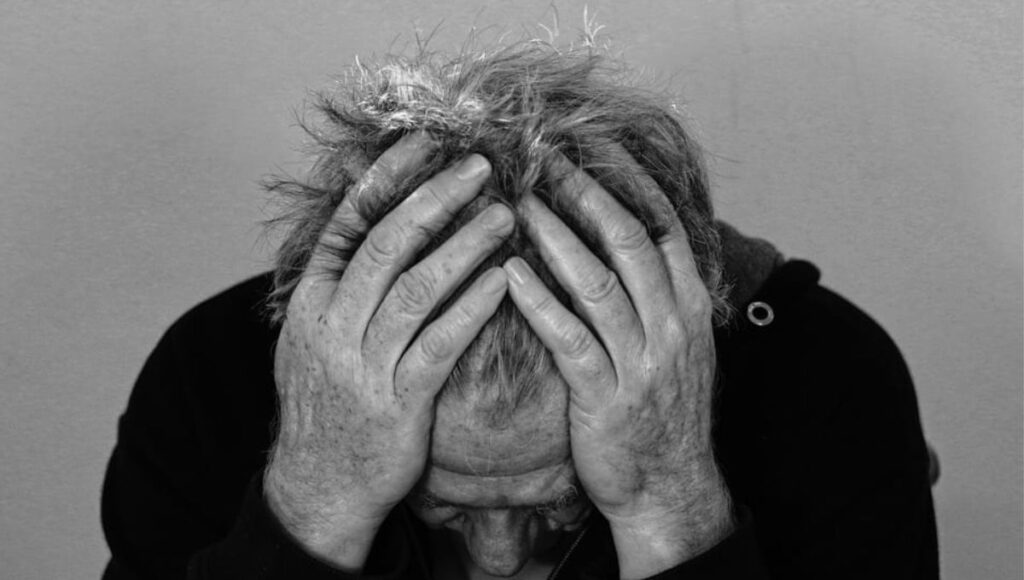
Depression is one of the most widespread yet misunderstood mental health conditions in the modern world. It affects millions of people across every age group, culture, and background, often silently and invisibly. While many people casually use the word “depressed” to describe temporary sadness or disappointment, clinical depression is far more complex and deeply impactful.
For those living with depression, even simple daily tasks can feel exhausting. Getting out of bed, responding to messages, eating properly, or finding motivation to continue normal routines may become overwhelming challenges. It can feel like carrying an invisible weight that others cannot see or fully understand.
Yet despite how dark depression can feel, recovery is possible.
People heal. Lives improve. Hope returns.
Understanding depression, recognizing its signs, and learning how to seek help are essential steps toward healing and reclaiming emotional well-being.
What Is Depression?
Depression is a serious mental health condition that affects a person’s:
- Emotions
- Thoughts
- Physical health
- Energy levels
- Behavior
- Relationships
- Ability to function daily
Unlike temporary sadness, depression persists for extended periods and can interfere significantly with everyday life.
A person with depression may struggle with feelings of:
- Emptiness
- Hopelessness
- Worthlessness
- Exhaustion
- Emotional numbness
They may lose interest in activities they once enjoyed and find it difficult to experience pleasure or motivation.
Depression is not laziness, weakness, or a failure of character.
It is a genuine medical and psychological condition that deserves compassion, understanding, and proper treatment.
Depression Can Affect Anyone
One of the biggest misconceptions about depression is that it only affects certain types of people.
In reality, depression can impact:
- Students
- Parents
- Professionals
- Teenagers
- Elderly individuals
- Celebrities
- Athletes
- Successful entrepreneurs
External appearances can be misleading.
Someone may seem happy, productive, and socially active while privately struggling with intense emotional pain.
Depression does not discriminate based on:
- Age
- Gender
- Income
- Success
- Social status
Many people suffering from depression hide their feelings because of fear, stigma, or the belief that others will not understand.
This silence often makes the condition even more isolating.
Common Symptoms of Depression
Depression affects people differently, but several symptoms are commonly experienced.
These may include:
Emotional Symptoms
- Persistent sadness
- Feelings of hopelessness
- Irritability
- Emotional numbness
- Excessive guilt
- Worthlessness
Mental Symptoms
- Difficulty concentrating
- Negative thinking
- Racing thoughts
- Loss of motivation
- Self-criticism
Physical Symptoms
- Fatigue
- Low energy
- Sleep problems
- Changes in appetite
- Body aches
- Headaches
Behavioral Symptoms
- Social withdrawal
- Loss of interest in hobbies
- Reduced productivity
- Avoiding responsibilities
- Increased crying
In severe cases, depression may also lead to thoughts of self-harm or suicide.
These signs should always be taken seriously.
The Hidden Nature of Depression
One of the most dangerous aspects of depression is how invisible it can be.
Unlike physical illnesses, emotional pain is not always obvious to others.
Many people with depression continue going to work, attending school, smiling socially, and fulfilling responsibilities while internally struggling.
This is why depression is sometimes called a “silent illness.”
People may suffer quietly for months or years before seeking help.
Some fear being judged.
Others believe they should simply “snap out of it.”
But depression cannot usually be overcome through willpower alone.
Like any health condition, it often requires support, treatment, and care.
What Causes Depression?
Depression does not have one single cause.
It often develops through a combination of factors including:
Biological Factors
- Brain chemistry
- Hormonal imbalances
- Genetics
- Family history
Psychological Factors
- Trauma
- Chronic stress
- Anxiety
- Low self-esteem
- Grief
Environmental Factors
- Relationship problems
- Financial stress
- Isolation
- Workplace pressure
- Major life changes
Sometimes depression develops without a clear reason, which can make it even more confusing for those experiencing it.
Understanding that depression is complex can help reduce shame and self-blame.
Why Seeking Help Matters
One of the hardest parts of depression is convincing yourself that you do not deserve help or that nobody can truly understand what you are feeling.
Depression often tells people lies such as:
- “You are a burden.”
- “Nothing will improve.”
- “Nobody cares.”
- “You should handle this alone.”
These thoughts can feel extremely real during depressive episodes.
But isolation usually deepens emotional suffering.
Reaching out for help is one of the most important and courageous steps toward recovery.
Support may come from:
- Family members
- Friends
- Therapists
- Counselors
- Doctors
- Support groups
Professional treatment has helped millions of people regain stability, confidence, and emotional health.
Seeking help is not weakness.
It is strength.
Therapy and Professional Treatment
Mental health professionals use several effective approaches to treat depression.
Therapy
Talk therapy allows individuals to explore emotions, behaviors, and thought patterns in a safe and supportive environment.
One widely used method is Cognitive Behavioral Therapy (CBT), which helps individuals identify and challenge negative thinking patterns.
CBT teaches people how to:
- Recognize harmful thoughts
- Develop healthier perspectives
- Improve coping skills
- Reduce emotional distress
Other therapeutic approaches may focus on trauma healing, emotional regulation, or relationship dynamics.
Medication
For some individuals, antidepressant medication can help regulate brain chemistry and reduce symptoms.
Medication is not a “magic cure,” but for many people it becomes an important part of recovery when combined with therapy and healthy lifestyle changes.
Treatment plans vary from person to person because depression affects everyone differently.
The Importance of Small Daily Steps
When depression is severe, even basic tasks may feel impossible.
That is why recovery often begins with very small actions.
Simple habits can gradually rebuild emotional and physical strength.
These may include:
- Getting out of bed
- Taking a shower
- Drinking water
- Going for a short walk
- Eating nutritious food
- Opening curtains for sunlight
- Practicing deep breathing
- Sleeping at regular hours
Small victories matter.
Recovery is rarely dramatic or immediate.
It is often built slowly through consistent, manageable progress.
Exercise and Physical Health
Physical health and mental health are deeply connected.
Research consistently shows that exercise can improve mood and reduce symptoms of depression.
Physical activity helps by:
- Releasing endorphins
- Reducing stress hormones
- Improving sleep quality
- Increasing energy
- Supporting brain health
Exercise does not need to be intense.
Even light activities such as:
- Walking
- Stretching
- Yoga
- Cycling
- Dancing
can provide emotional benefits over time.
Nutrition and sleep are also important parts of mental well-being.
Poor sleep and unhealthy eating habits can worsen depressive symptoms.
The Power of Human Connection
Depression often pushes people toward isolation.
Unfortunately, loneliness can intensify emotional pain.
Maintaining social connection is extremely important during difficult periods.
This does not necessarily mean attending large gatherings or constantly being social.
Sometimes support comes through simple moments such as:
- Talking with a trusted friend
- Sitting with family
- Sending a message
- Sharing feelings honestly
- Spending time with supportive people
Human connection reminds people that they are not alone.
Even small interactions can provide comfort and emotional grounding.
Challenging Negative Thoughts
Depression frequently distorts reality.
People experiencing depression may begin believing thoughts such as:
- “I am worthless.”
- “Nothing will ever change.”
- “I always fail.”
- “Nobody loves me.”
These thoughts can feel convincing, but feelings are not always facts.
Learning to challenge negative thinking is an important part of healing.
Questions that may help include:
- “Is this thought completely true?”
- “Would I say this to someone I care about?”
- “Am I being overly harsh on myself?”
- “Could there be another perspective?”
Over time, developing healthier thought patterns can reduce the emotional power of depression.
Rediscovering Purpose and Joy
Depression often drains motivation and interest from life.
Activities that once brought joy may suddenly feel meaningless.
Part of recovery involves reconnecting with purpose and meaning.
This might include:
- Creative hobbies
- Writing
- Art
- Music
- Gardening
- Volunteering
- Learning new skills
- Spiritual practices
- Spending time in nature
Purpose does not always appear instantly.
Sometimes healing begins by simply trying again, even without immediate enjoyment.
Gradually, moments of connection and fulfillment often return.
Recovery Is Not Linear
One of the most important truths about depression recovery is that healing is rarely perfect or consistent.
There may be:
- Good days
- Difficult days
- Setbacks
- Emotional relapses
- Periods of progress
- Moments of discouragement
A difficult day does not erase progress.
Recovery is a journey, not a straight line.
People often improve gradually over time rather than through sudden transformation.
Patience and self-compassion are essential during this process.
Breaking the Stigma Around Mental Health
For many years, mental health struggles were surrounded by shame and misunderstanding.
Although awareness has improved, stigma still prevents many individuals from seeking support.
People may fear being labeled as:
- Weak
- Dramatic
- Unstable
- Attention-seeking
These harmful attitudes discourage open conversations about emotional well-being.
Mental health deserves the same compassion and seriousness as physical health.
Depression is not a personal failure.
It is a health condition that deserves understanding and treatment.
The more openly society discusses mental health, the easier it becomes for people to seek help without fear.
Supporting Someone With Depression
If someone you care about is struggling with depression, your support can make a meaningful difference.
Helpful approaches include:
- Listening without judgment
- Encouraging professional help
- Being patient
- Checking in regularly
- Offering practical support
- Avoiding dismissive comments
Phrases such as:
- “Just be positive.”
- “Others have it worse.”
- “Snap out of it.”
can unintentionally deepen feelings of isolation.
Sometimes the most powerful support comes simply from being present and compassionate.
Hope Is Always Possible
Depression can make the future feel hopeless.
But countless people who once felt trapped in darkness eventually found healing, stability, and joy again.
Recovery is possible.
Lives can improve.
Pain can lessen.
Support exists.
Even during the darkest moments, hope remains real—even when it feels distant.
A Final Message
Depression may become part of someone’s life story, but it does not define their worth, identity, or future.
Healing takes time, courage, support, and patience.
Some days survival itself is an achievement.
And that matters.
If you or someone you know is struggling with depression, seek professional support and reach out to trusted people. No one should have to face emotional pain alone.
There is hope beyond depression.
And brighter days can return, one step at a time.