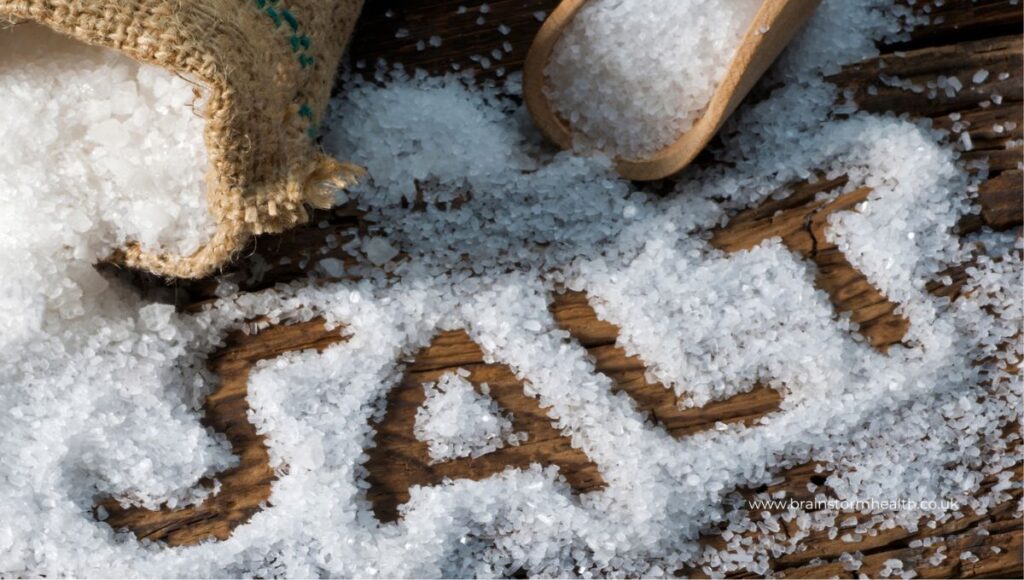
Salt is one of the most essential ingredients in the world. From enhancing the flavour of food to being used in industries, medicine, preservation, and chemical production, salt plays a major role in everyday life. In India, salt is not just a kitchen necessity but also an important industrial product that supports millions of livelihoods and contributes significantly to the economy.
India is among the world’s largest salt-producing countries, and several states contribute to its massive production. While Gujarat is known as the highest salt-producing state in India, there is one city that has earned the special title of the “Salt Capital of India.” That city is Thoothukudi, also known as Tuticorin.
Located on the southeastern coast of Tamil Nadu, Thoothukudi has been at the centre of India’s salt production for more than a century. The city’s hot climate, coastal geography, vast salt pans, and strong industrial infrastructure have helped it become one of the most important salt-producing regions in the country.
Today, Thoothukudi is not only famous for its large-scale salt production but also for its contribution to employment, exports, and India’s overall salt industry.
Which City Is Known as the Salt Capital of India?
Thoothukudi is known as the Salt Capital of India.
The city lies along the Coromandel Coast near the Bay of Bengal and has ideal environmental conditions for salt manufacturing. For decades, salt production has shaped the economy, culture, and identity of the city.
Thoothukudi has become synonymous with salt because:
- It produces massive quantities of salt every year
- It contains thousands of acres of salt pans
- It has ideal hot and dry weather conditions
- It supports a large workforce connected to salt production
- It houses important salt-processing industries
The city’s salt industry is so significant that salt production remains one of the major economic activities in the region.
Where Is Thoothukudi Located?
Thoothukudi is situated in southern Tamil Nadu along the eastern coastline of India.
The city faces the Bay of Bengal and benefits from:
- Strong sunlight
- High temperatures
- Dry climate
- Coastal seawater access
These natural conditions make it ideal for solar salt production, where seawater is evaporated naturally under sunlight to produce salt crystals.
Apart from salt manufacturing, Thoothukudi is also known for:
- Its major port
- Fisheries
- Shipping industries
- Pearl fishing history
- Industrial growth
The city has historically played an important role in maritime trade and continues to be an important economic hub in southern India.
Why Is Thoothukudi Called the Salt Capital of India?
Several important factors contributed to Thoothukudi earning this title.
1. Perfect Hot and Dry Climate
One of the biggest reasons behind Thoothukudi’s salt production success is its weather.
Salt production depends heavily on evaporation. For seawater to transform into salt crystals, intense sunlight and dry weather are required.
Thoothukudi experiences:
- Long sunny seasons
- High temperatures
- Low rainfall during production months
- Strong evaporation rates
From March to mid-October, the city remains extremely hot and dry, creating ideal conditions for large-scale salt production.
The continuous sunlight accelerates evaporation and allows salt crystals to form naturally in salt pans.
2. Vast Salt Pan Areas
Thoothukudi district contains nearly 25,000 acres of salt pans dedicated to salt production.
These salt pans are shallow open fields where seawater or saline water is collected and left under the sun.
The process involves:
- Filling evaporation ponds with seawater
- Allowing water to evaporate slowly
- Collecting the salt crystals formed after evaporation
The massive land area available for salt farming allows Thoothukudi to produce enormous quantities of salt annually.
The sight of endless white salt fields has become one of the city’s most recognizable features.
3. More Than 100 Years of Salt Production
Salt production in Thoothukudi has a long and rich history.
For over a century, the city has remained deeply connected to the salt industry. Generations of workers and businesses have relied on salt farming and trade for livelihood.
Over time, Thoothukudi evolved from a regional salt-producing area into one of India’s largest salt manufacturing centres.
Its long-standing expertise and infrastructure helped establish its national reputation as the Salt Capital of India.
4. First Iodized Salt Factory in South India
Thoothukudi achieved another major milestone when it became home to the first iodized salt manufacturing unit in South India.
This development was important because iodized salt plays a key role in addressing iodine deficiency and improving public health.
The establishment of iodized salt production strengthened the city’s importance in both the food and health sectors.
5. Strong Employment and Industrial Support
The salt industry provides employment to thousands of people in and around Thoothukudi.
Jobs connected to salt production include:
- Salt harvesting
- Transportation
- Storage
- Packaging
- Export management
- Shipping operations
Many local families have been associated with the salt business for generations.
The industry also supports:
- Transport companies
- Port services
- Small traders
- Export businesses
As a result, salt production remains an important economic pillar of the region.
How Salt Is Produced in Thoothukudi
Salt production in Thoothukudi mainly follows the solar evaporation method.
Step 1: Seawater Collection
Seawater is channelled into shallow salt pans.
Step 2: Evaporation
Under strong sunlight, water gradually evaporates.
Step 3: Crystal Formation
As evaporation increases, salt crystals begin forming on the surface.
Step 4: Harvesting
Workers collect the salt manually or using equipment.
Step 5: Cleaning and Processing
The harvested salt is cleaned, refined, and packaged.
The natural climate plays a huge role in making this process efficient and cost-effective.
Key Facts About Thoothukudi’s Salt Industry
Here are some fascinating facts about the Salt Capital of India:
- The city produces around 1.2 million tonnes of salt every year
- It has more than 25,000 acres of salt pans
- Thoothukudi contributes around 90% of Tamil Nadu’s total salt production
- Tamil Nadu contributes nearly 12% of India’s salt production
- India ranks among the world’s top salt-producing countries
- Thoothukudi has over 100 years of salt production history
- The city houses South India’s first iodized salt manufacturing unit
- Indian salt from Thoothukudi is exported to several countries
These achievements highlight the city’s major contribution to India’s economy and food industry.
Salt Production in India
India is one of the largest salt-producing countries in the world.
The country produces salt through:
- Solar evaporation
- Rock salt mining
- Lake salt extraction
Gujarat Leads in State-Wise Production
Gujarat is India’s largest salt-producing state, contributing around 76% of total production.
The state’s extensive coastline and desert-like conditions support large-scale salt farming.
Tamil Nadu Comes Second
Tamil Nadu contributes approximately 12% of India’s total salt production, with Thoothukudi being its biggest production centre.
Although Gujarat dominates state-wise production, Thoothukudi stands out as the country’s most iconic salt-producing city.
Importance of Salt Beyond Food
Salt is not limited to cooking and food preservation.
It is also used in:
- Chemical industries
- Textile manufacturing
- Soap production
- Water treatment
- Pharmaceuticals
- Agriculture
- Leather processing
Because of its industrial importance, salt production contributes significantly to India’s manufacturing economy.
Export of Indian Salt
India exports salt to many countries worldwide.
Some major importing nations include:
- Bangladesh
- Sri Lanka
- Nepal
- Maldives
- Japan
Indian salt is valued because of:
- Large-scale production
- Competitive pricing
- Strong export infrastructure
Thoothukudi’s port facilities help support international salt trade efficiently.
Challenges Faced by the Salt Industry
Despite its success, the salt industry faces several challenges.
Weather Dependence
Unexpected rainfall can affect evaporation and damage salt pans.
Labour-Intensive Work
Salt harvesting often involves physically demanding labour under intense heat.
Climate Change
Changing weather patterns may affect long-term salt production.
Industrial Competition
Mechanization and market competition continue to reshape the industry.
Even with these challenges, Thoothukudi continues to maintain its position as one of India’s most important salt centres.
Why Thoothukudi’s Salt Industry Matters
The salt industry in Thoothukudi is important because it:
- Supports local livelihoods
- Contributes to India’s food supply
- Strengthens exports
- Generates employment
- Supports chemical industries
For many people in the city, salt production is more than just an occupation—it is a way of life passed down through generations.
Interesting Facts About Salt
Salt Was Once Extremely Valuable
Historically, salt was considered so valuable that it influenced trade routes and economies.
India Played a Major Role in Salt History
The famous Salt March led by Mahatma Gandhi became a major moment in India’s freedom struggle.
Salt Exists Naturally in Seawater
Most commercial salt is extracted from seawater through evaporation.
Different Types of Salt Exist
Examples include:
- Table salt
- Rock salt
- Sea salt
- Black salt
- Himalayan pink salt
The Cultural Connection of Salt in India
Salt has deep cultural and emotional significance in Indian society.
It symbolizes:
- Loyalty
- Hospitality
- Sustenance
Many Indian sayings and traditions reference salt as an essential part of life.
Because of this cultural importance, cities like Thoothukudi hold a special place in India’s economic and historical identity.
Conclusion
Thoothukudi truly deserves the title of the Salt Capital of India because of its massive salt production, ideal climate, vast salt fields, and over 100 years of contribution to the industry.
While Gujarat remains India’s largest salt-producing state overall, Thoothukudi stands out as the country’s most recognized salt-producing city. Its hot weather, extensive salt pans, strong workforce, and industrial infrastructure have helped shape India’s salt economy for generations.
Today, the city continues to play a major role in domestic supply, exports, and employment, proving that salt is not just a seasoning—but an industry that powers livelihoods and supports economies.