
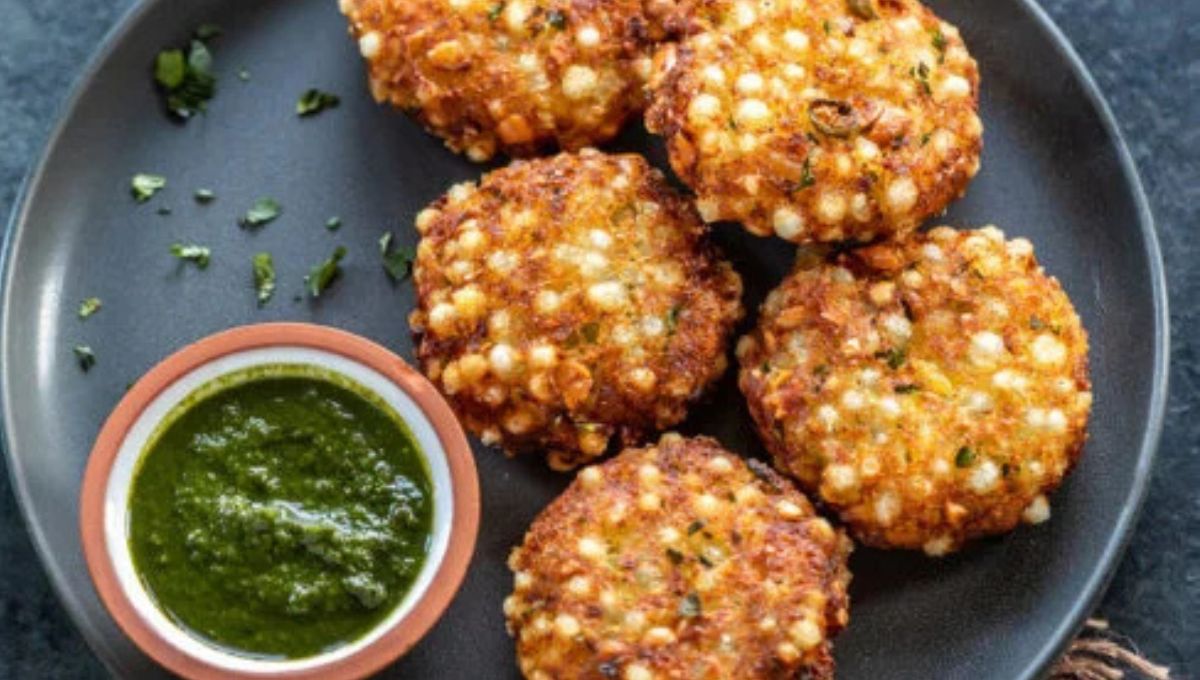
Sabudana is one of the most popular food ingredients used in Indian households, especially during fasting periods and festive occasions. Whether it is sabudana khichdi, vada, kheer, or papad, this tiny white pearl-like ingredient has become an important part of Indian cuisine and culture.
Despite being widely consumed across the country, many people are unaware of what sabudana is actually called in English or how it is made. Most Indians simply know it by its regional name, but globally it is recognized as tapioca pearls. These small starch balls are known for their soft and chewy texture after cooking and are commonly used in several cuisines around the world.
Sabudana is especially valued because it is lightweight, easy to digest, energy-rich, and naturally gluten-free. It is often consumed during religious fasts because it provides quick energy and can be prepared in many delicious forms.
From its origins in South America to becoming a staple ingredient in Indian kitchens, sabudana has a fascinating history and production process that many people have never explored.
What Is Sabudana Called in English?
The English name for sabudana is Tapioca Pearls.
Its scientific name is Manihot esculenta, and it belongs to the Euphorbiaceae plant family. Sabudana is produced from the starch extracted from the cassava root, a starchy tuber crop grown in tropical climates.
Although the English term “tapioca pearls” is internationally accepted, sabudana is known by many regional names across India:
- Hindi: Sabudana
- Tamil: Javvarisi
- Telugu: Saggubiyyam
- Malayalam: Chavvari
- Bengali: Sabu
These names differ regionally, but they all refer to the same starch-based ingredient derived from cassava.
Today, tapioca pearls are used not only in Indian fasting dishes but also in desserts, puddings, bubble tea, and global cuisines.
What Exactly Is Sabudana?
Many people assume sabudana is a grain or seed because of its appearance, but it is actually pure starch.
Sabudana is made by processing cassava roots, which grow underground. Cassava is a tropical root vegetable rich in starch and widely cultivated in warm regions around the world.
The starch extracted from cassava is processed into tiny spherical pearls that later become soft and chewy when soaked and cooked.
Because sabudana is starch-based:
- It is naturally grain-free
- It is gluten-free
- It contains high carbohydrates
- It provides quick energy
This is one of the reasons sabudana is commonly eaten during fasting periods when people avoid grains.
How Does Sabudana Look?
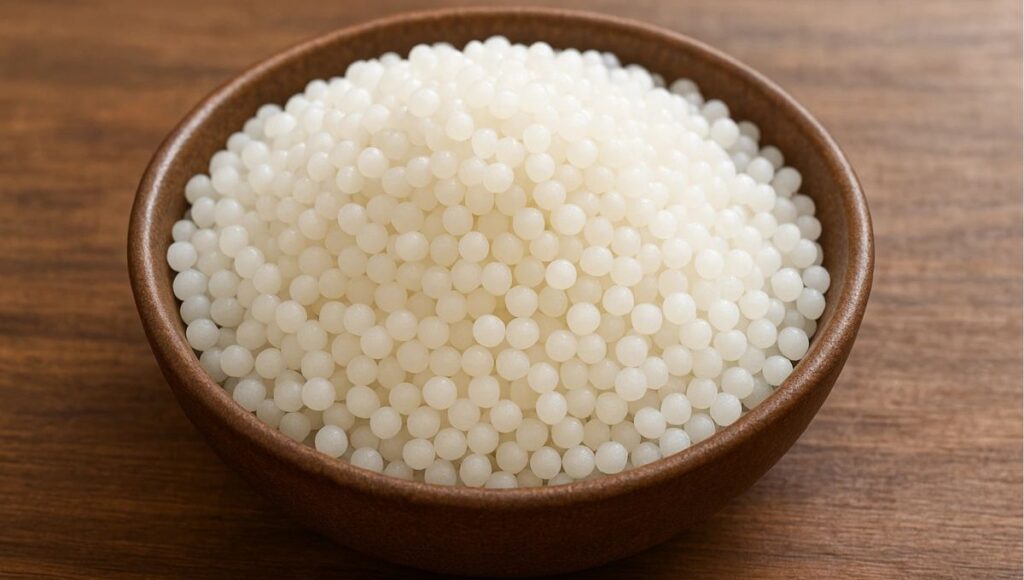
Dry sabudana appears as:
- Small white pearls
- Hard round balls
- Smooth textured particles
After soaking in water:
- The pearls become soft
- Their texture turns chewy
- The colour becomes slightly transparent
When cooked properly, sabudana develops a soft, glossy appearance and absorbs flavours very well.
Its unique texture is one of the reasons it is used in many recipes worldwide.
How Is Sabudana Made?
The production process of sabudana is fascinating because it involves extracting starch from cassava roots through several stages.
Step 1: Harvesting Cassava Roots
Cassava plants are harvested once the roots mature underground.
Step 2: Cleaning and Peeling
The roots are washed thoroughly and peeled to remove the outer layer.
Step 3: Grinding
The cassava roots are crushed and ground into pulp.
Step 4: Starch Extraction
The pulp is processed to extract starch-rich liquid.
Step 5: Drying the Starch
The liquid is dried to remove moisture, leaving behind refined starch powder.
Step 6: Pearl Formation
The starch is processed under heat and pressure through sieving machines that shape it into tiny white spherical pearls.
Step 7: Roasting and Drying
The pearls are dried and hardened before packaging.
This industrial process transforms raw cassava starch into the sabudana commonly found in markets.
Origin of Sabudana
The cassava plant originally comes from South America, especially regions of Brazil and surrounding tropical countries.
Over time, cassava cultivation spread to:
- Africa
- Southeast Asia
- India
- Other tropical regions
Cassava adapted well to warm climates and became an important crop because of its high starch content and drought resistance.
Although cassava has ancient origins, sabudana production in India became prominent much later.
History of Sabudana in India
Sabudana entered India during the 1940s and gradually became popular due to its versatility and long shelf life.
One of the most important centres for sabudana production in India is Salem in Tamil Nadu.
Salem eventually became known as one of India’s largest sabudana manufacturing hubs because of:
- Favourable climate
- Strong processing industry
- Availability of cassava crops
Today, Tamil Nadu remains one of the leading regions associated with sabudana production in India.
Why Sabudana Is Popular During Fasting
Sabudana has become strongly associated with fasting food in India.
During religious fasts, many people avoid:
- Rice
- Wheat
- Pulses
- Certain grains
Sabudana is considered acceptable during many fasting traditions because it is starch-based and easy to digest.
Quick Energy Source
Sabudana contains high carbohydrates that provide instant energy.
Easy to Cook
It can be prepared quickly into several dishes.
Light on the Stomach
Properly cooked sabudana is considered easy to digest by many people.
Because of these reasons, dishes like sabudana khichdi and sabudana vada became fasting favourites.
Nutritional Value of Sabudana
Sabudana mainly consists of carbohydrates and provides energy.
Nutritional Information Per 100g (Approximate)
| Nutrient | Amount |
|---|---|
| Energy | 358 kcal |
| Carbohydrates | 88.7 g |
| Protein | 0.2 g |
| Fat | 0.2 g |
| Fibre | 0.9 g |
| Calcium | 20 mg |
| Iron | 1.58 mg |
| Potassium | 11 mg |
| Sodium | 1 mg |
High Carbohydrate Content
Sabudana is primarily consumed as an energy food because of its starch-rich composition.
Low Fat Content
It contains very little fat naturally.
Gluten-Free
Sabudana is naturally gluten-free, making it suitable for people avoiding gluten-based foods.
Easily Digestible
Many people consume sabudana because it feels light and easy on digestion.
Popular Uses of Sabudana
Sabudana is highly versatile and used in many recipes.
1. Sabudana Khichdi
One of the most popular Indian dishes made during fasting.
Ingredients usually include:
- Soaked sabudana
- Peanuts
- Potatoes
- Green chillies
- Curry leaves
2. Sabudana Vada
Deep-fried crispy snack made from:
- Sabudana
- Mashed potatoes
- Spices
- Peanuts
3. Sabudana Kheer
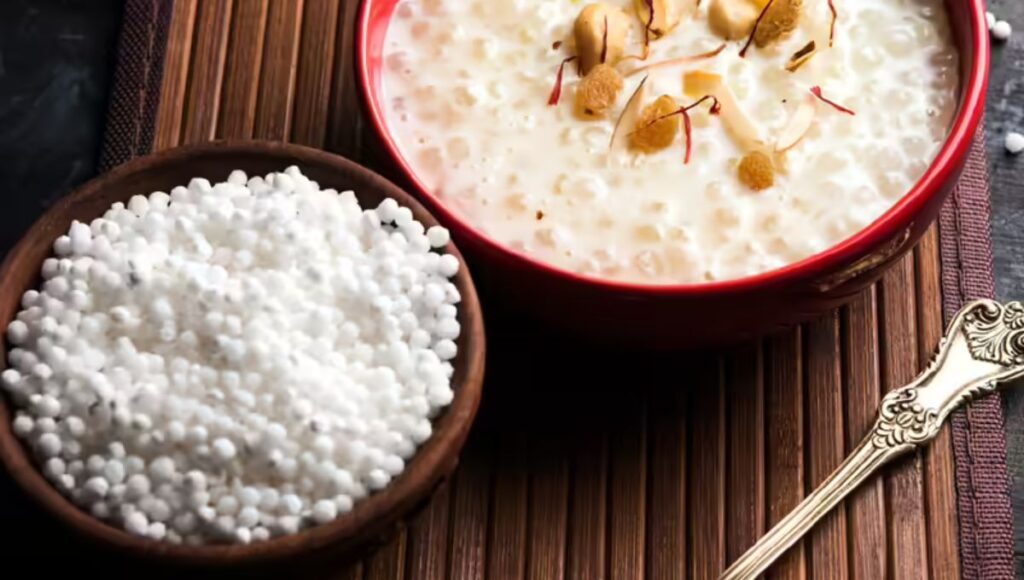
Sweet pudding prepared with:
- Milk
- Sugar
- Cardamom
- Dry fruits
4. Papad and Snacks
Sabudana is also used in making crispy papads and fryums.
5. Bubble Tea
Globally, tapioca pearls are famous as the chewy pearls used in bubble tea beverages.
Interesting Facts About Sabudana
1. Sabudana Is Not a Grain
Despite its appearance, sabudana is actually processed starch from cassava root.
2. It Comes From Cassava
Cassava is a tropical root vegetable grown underground.
3. Salem Is Famous for Sabudana Production
Tamil Nadu’s Salem region became one of India’s largest sabudana production centres.
4. Tapioca Pearls Are Used Worldwide
Apart from India, tapioca pearls are widely used in Asian desserts and beverages.
5. Sabudana Turns Transparent When Cooked
The pearls absorb water and become glossy and translucent.
6. It Is Naturally Gluten-Free
This makes it popular among people avoiding gluten-based foods.
7. Sabudana Is Energy Rich
Its high carbohydrate content makes it a quick energy source.
8. Bubble Tea Increased Global Popularity
The international bubble tea trend introduced tapioca pearls to millions worldwide.
How to Cook Sabudana Properly
Cooking sabudana correctly is important because improper soaking can make it sticky.
Step 1: Wash Thoroughly
Rinse the pearls to remove excess starch.
Step 2: Soak Carefully
Soak with limited water for several hours.
Step 3: Drain Excess Water
Too much water can make sabudana mushy.
Step 4: Cook on Medium Heat
Gentle cooking keeps the pearls separate and soft.
Perfectly cooked sabudana should be:
- Soft
- Non-sticky
- Slightly translucent
Difference Between Sabudana and Sago
Many people confuse sabudana with traditional sago.
Sabudana
Usually made from cassava starch.
Traditional Sago
Originally derived from tropical palm stems.
In India, the terms are often used interchangeably even though their sources can differ historically.
Global Popularity of Tapioca Pearls
Tapioca pearls are now popular worldwide because of:
- Bubble tea
- Asian desserts
- Gluten-free diets
- Vegan cooking trends
Countries across Asia and the West use tapioca pearls in:
- Sweet soups
- Puddings
- Beverages
- Bakery products
The chewy texture of tapioca pearls has become especially popular among younger consumers.
Why Sabudana Remains Important in Indian Kitchens
Sabudana remains a favourite because:
- It cooks quickly
- It is versatile
- It provides instant energy
- It works for fasting recipes
- It can be made sweet or savoury
From traditional fasting foods to modern snacks, sabudana continues to hold a strong place in Indian culinary culture.
Conclusion
Sabudana, known in English as tapioca pearls, is much more than just a fasting ingredient. Derived from cassava root starch, these tiny white pearls have travelled from South America to become a staple ingredient in Indian kitchens and global cuisines.
Whether used in khichdi, vada, kheer, papad, or bubble tea, sabudana is loved for its chewy texture, versatility, and energy-rich nature. Its gluten-free qualities and ease of digestion have further increased its popularity among modern consumers.
As interest in traditional ingredients and global foods continues to rise, tapioca pearls remain one of the most fascinating and widely enjoyed starch-based foods in the world.