
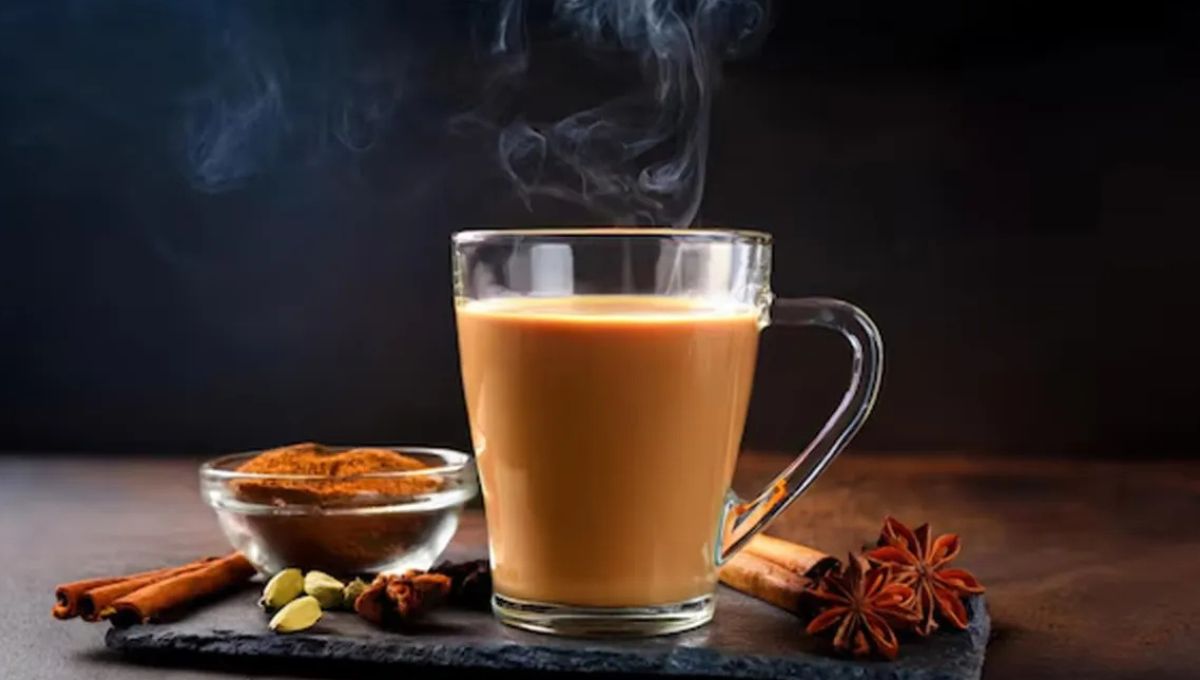
Imagine endless carpets of lush green tea bushes stretching across misty valleys, workers carefully plucking delicate leaves by hand, and the rich aroma of freshly brewed tea floating through the humid air. Welcome to Assam — the legendary land that powers millions of mornings across the globe.
Known as the “Tea Garden of India” and often called the “Tea Capital of India,” Assam is not just a tea-producing region; it is the beating heart of India’s tea industry. This northeastern state produces some of the strongest, boldest, and most beloved black teas in the world. From local roadside stalls in India to luxury cafes in Europe, Assam tea has become a global icon.
But Assam’s tea story is about far more than just beverages. It’s a fascinating blend of geography, climate, colonial history, agriculture, culture, and global trade. The state’s endless green plantations, fertile river valleys, and tropical climate have made it one of the most productive tea-growing regions on Earth.
Let’s explore why Assam earned the title of the “Tea Garden of India” and discover the extraordinary world hidden behind every cup of Assam tea.
Which Place Is Known as the Tea Garden of India?
The answer is simple: Assam.
Located in the northeastern part of India, Assam is universally recognized as the Tea Garden of India because it contains the world’s largest contiguous tea-growing region. Vast tea estates spread across the fertile Brahmaputra Valley, creating breathtaking green landscapes visible even from airplanes.
Tea plantations dominate the economy, culture, and daily life of the state. In many parts of Assam, entire communities revolve around tea cultivation, processing, and trade.
Assam alone contributes roughly half of India’s total tea production, making it the undisputed leader of the Indian tea industry.
The region is especially famous for producing:
- Strong black tea
- Malty-flavored tea
- Deep amber-colored brews
- Bold breakfast teas
In fact, many globally famous breakfast tea blends contain Assam tea as their foundation because of its rich flavour and robust body.
Why Assam Is Called the Tea Capital of India
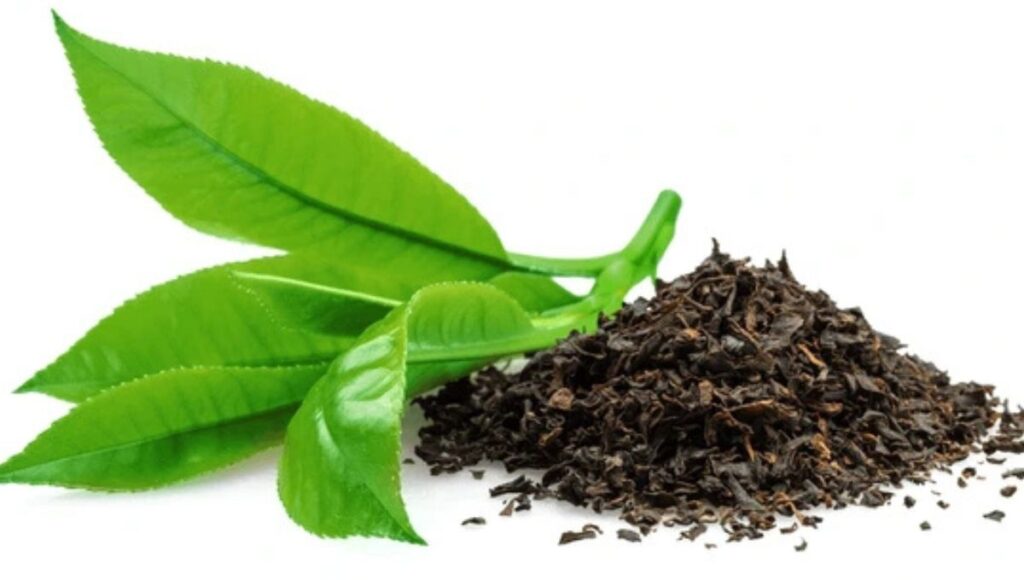
Assam earned the title “Tea Capital of India” because of its unmatched tea production, massive plantations, and worldwide reputation for quality tea.
Tea cultivation in Assam began during the British colonial period in the early 19th century. British traders discovered native tea plants growing wild in Assam’s forests and quickly realized the region had ideal conditions for large-scale tea farming.
Soon, massive tea estates were established across the Brahmaputra Valley.
Today, Assam produces more than 600 million kilograms of tea every year, making it one of the largest tea-producing regions on Earth.
What makes Assam even more unique is its geography.
Unlike Darjeeling’s mountain plantations, Assam’s tea bushes grow at relatively low elevations, usually between 45 and 60 meters above sea level. This lowland tropical environment creates a completely different flavour profile.
The result is tea that is:
- Stronger
- Darker
- Richer
- More malty
- Full-bodied
This distinctive taste has made Assam tea highly popular in countries like:
- United Kingdom
- Russia
- Iran
- United States
- Middle East nations
The Geography Behind Assam’s Tea Success
Assam lies in the fertile Brahmaputra Valley, one of the richest river valleys in the world.
The mighty Brahmaputra River floods the region regularly, depositing nutrient-rich sediments into the soil. This creates highly fertile land perfect for tea cultivation.
The valley is surrounded by hills and forests, which help maintain humidity and protect the tea plants from harsh weather changes.
The region’s geography creates a near-perfect ecosystem for tea growth.
Assam’s Climate: Perfect for Tea Cultivation
Tea plants thrive only under specific climatic conditions, and Assam provides exactly what they need.
The state experiences:
- High humidity
- Heavy rainfall
- Warm temperatures
- Long growing seasons
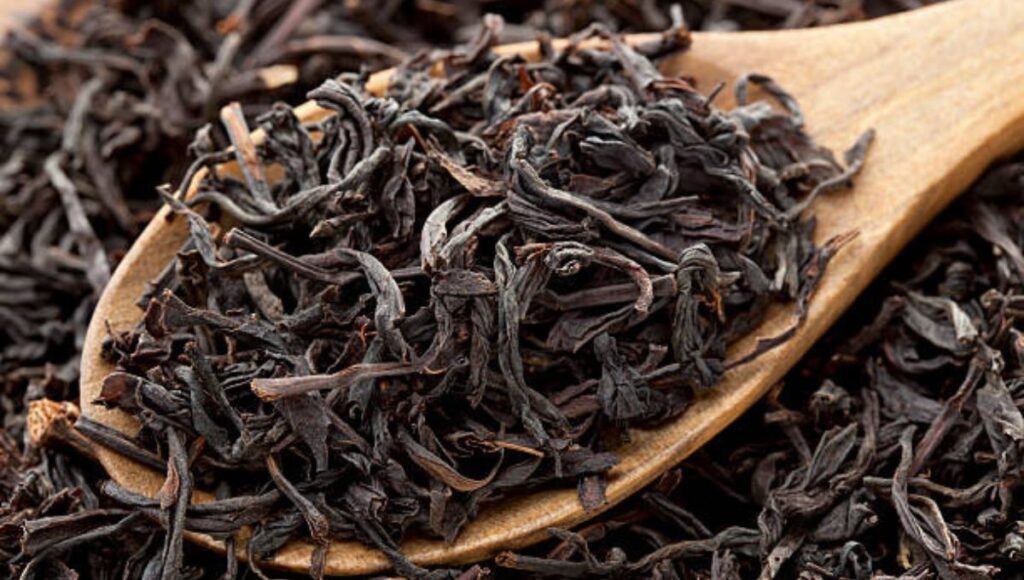
Assam receives annual rainfall between 2,000 and 3,000 millimeters, mainly during the monsoon season. Combined with temperatures ranging between 25°C and 35°C, this creates ideal conditions for rapid tea plant growth.
The warm tropical climate allows Assam’s tea bushes to grow continuously for much of the year.
Unlike colder tea regions, Assam enjoys a long harvesting season stretching from March to November.
The Famous Assam Tea Flushes
Tea harvested during different seasons develops unique flavours and characteristics.
In Assam, the two most celebrated harvest periods are known as the First Flush and Second Flush.
First Flush (March–April)
The first harvest after winter produces fresh, bright, and slightly lighter teas.
These teas are often:
- Crisp
- Aromatic
- Smooth
- Refreshing
Second Flush (May–June)
The second flush is the true pride of Assam.
During this period, the tea develops its famous:
- Malty flavour
- Rich body
- Strong aroma
- Deep copper colour
Second Flush Assam tea is considered premium quality and is highly prized worldwide.
Orthodox Tea vs CTC Tea
Assam produces two major styles of tea processing.
Orthodox Tea
Orthodox tea is made using traditional rolling methods that preserve the whole tea leaf.
These teas are known for:
- Complex flavours
- Smooth texture
- Premium quality
- Rich aroma
Orthodox Assam teas are often exported to luxury international markets.
CTC Tea (Crush, Tear, Curl)
CTC tea is machine-processed into small granules.
This method creates:
- Strong liquor
- Quick brewing
- Bold flavour
- Dark colour
Most Indian milk tea and masala chai use Assam CTC tea because of its powerful taste.
The History of Tea in Assam
The story of Assam tea dates back nearly 200 years.
In 1823, Scottish adventurer Robert Bruce reportedly discovered indigenous tea plants growing naturally in Assam’s forests. The British East India Company soon recognized the commercial potential of the region.
At the time, China dominated the global tea trade, and Britain wanted an alternative source.
Assam became the perfect solution.
By the 1830s and 1840s, British companies had established large tea plantations throughout the region. Tea production rapidly expanded, transforming Assam into one of the world’s major tea centers.
Today, tea remains deeply connected to Assam’s identity, economy, and heritage.
Dibrugarh: The Tea City of India
When discussing Assam tea, one city stands out above all others — Dibrugarh.
Known as the “Tea City of India,” Dibrugarh sits along the banks of the Brahmaputra River and serves as a major hub for tea cultivation and trade.
The city is surrounded by hundreds of tea estates and tea factories.
Dibrugarh plays a central role in:
- Tea exports
- Tea auctions
- Tea research
- Plantation management
Many visitors travel to Dibrugarh specifically to experience Assam’s tea culture firsthand.
Tea Tourism in Assam
Tea tourism has become increasingly popular in Assam over the last decade.
Many tea estates now offer visitors:
- Heritage tea bungalows
- Plantation tours
- Tea tasting sessions
- Cultural performances
- Luxury stays amidst tea gardens
Tourists can walk through endless green plantations while learning how tea leaves are plucked, processed, dried, and packaged.
The sight of sunrise over mist-covered tea gardens is considered one of Assam’s most magical experiences.
The People Behind Assam Tea
The tea industry supports millions of livelihoods in Assam.
Tea garden workers play an essential role in maintaining the plantations and harvesting delicate tea leaves by hand.
Plucking tea requires tremendous skill because only the youngest and freshest leaves are selected.
In Assam, tea plantation communities have developed their own unique traditions, music, dances, and cuisine over generations.
Tea is not just an industry here — it is a way of life.
Assam Tea in the Global Market
Assam tea enjoys massive international demand.
It is widely used in:
- English Breakfast Tea
- Irish Breakfast Tea
- Masala chai blends
- Premium loose-leaf teas
The strong flavour of Assam tea makes it ideal for milk-based tea preparations.
Countries around the world import Assam tea because of its:
- Consistent quality
- Rich taste
- Strong caffeine content
- Deep colour
India remains one of the world’s largest tea exporters, with Assam contributing significantly to global supply.
Other Famous Tea Regions of India
While Assam dominates tea production, India has several other legendary tea-growing regions.
Darjeeling – The Champagne of Teas
Located in the hills of West Bengal, Darjeeling produces some of the world’s most expensive teas.
Darjeeling tea is famous for:
- Floral aroma
- Delicate taste
- Muscatel flavour
- Light golden colour
Unlike Assam’s bold teas, Darjeeling teas are elegant and subtle.
Nilgiri – The Fragrant Tea Hills
The Nilgiri Hills in Tamil Nadu produce highly aromatic teas grown in the Western Ghats.
Nilgiri tea is known for:
- Smooth taste
- Bright liquor
- Fragrant aroma
- Year-round production
Munnar – Kerala’s Scenic Tea Paradise
Located in Kerala, Munnar features some of India’s highest tea plantations.
Its rolling hills, cool climate, and breathtaking scenery make it one of India’s most beautiful tea destinations.
Which Country Consumes the Most Tea?
Globally, China is the largest tea-consuming country.
Tea has been part of Chinese culture for thousands of years and remains deeply tied to daily life, ceremonies, and traditions.
China consumes millions of tonnes of tea annually, far ahead of most other nations.
Which Country Produces the Most Tea?
China also ranks as the world’s largest tea producer.
The country produces:
- Green tea
- Black tea
- White tea
- Oolong tea
- Pu-erh tea
However, India remains one of the largest producers globally, with Assam serving as its tea powerhouse.
Why Assam Tea Is So Special
Assam tea stands apart because of its unique combination of:
- Tropical climate
- Rich alluvial soil
- Heavy rainfall
- Humidity
- Low-altitude cultivation
These natural conditions produce tea with unmatched strength and character.
Whether served as a traditional Indian chai or a classic English breakfast blend, Assam tea delivers a bold experience few teas can match.
Conclusion
Assam is far more than just a tea-producing state — it is the living heartbeat of India’s tea culture.
Its endless green plantations, humid tropical climate, fertile Brahmaputra Valley, and centuries-old tea heritage have earned it the title of the Tea Garden of India and the Tea Capital of India.
Every cup of Assam tea carries the story of misty mornings, hand-plucked leaves, hardworking plantation communities, and a tradition that has shaped global tea culture for generations.
So the next time you sip a strong cup of black tea, there’s a good chance those bold flavours began their journey in the lush green tea gardens of Assam — the legendary land where India’s tea story truly comes alive.