
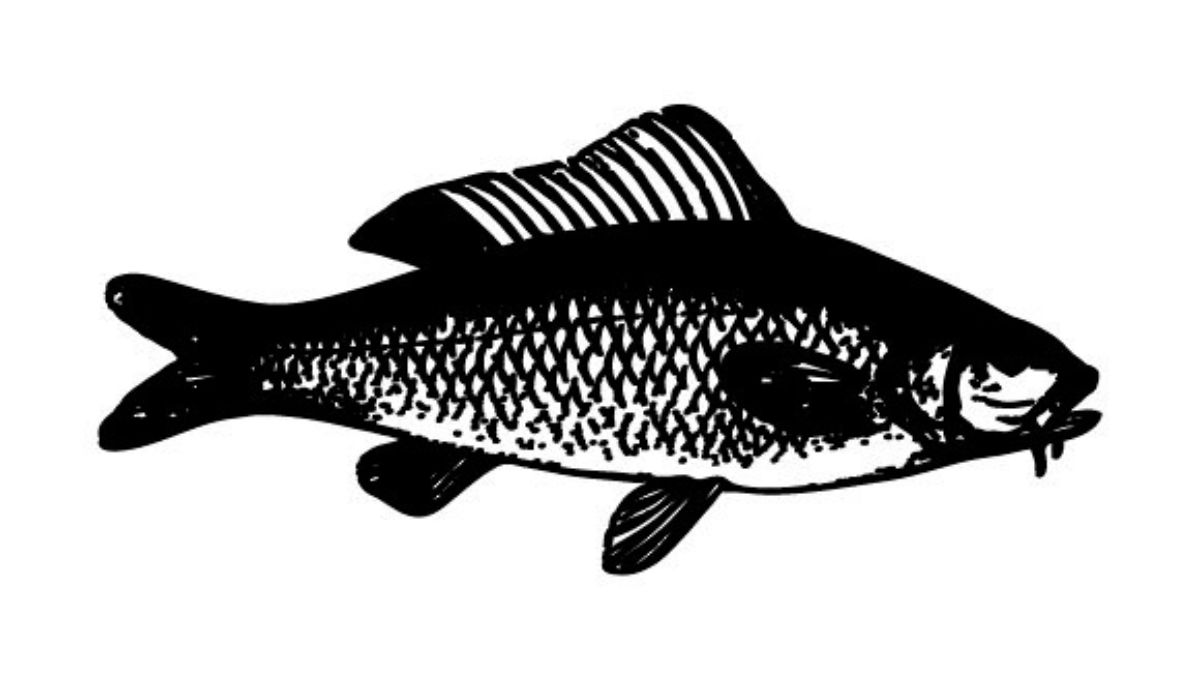
India is home to one of the richest marine ecosystems in the world. With a coastline stretching over 7,500 kilometers, the country supports nearly 2,500 to 3,000 species of fish. From freshwater favorites like rohu to expensive seafood like pomfret, India’s waters are full of valuable marine life. But among all these species, one rare fish stands out for its unbelievable price and mysterious reputation — the Ghol Fish, famously known as the “Gold of the Sea.”
This extraordinary fish has become legendary among fishermen because a single catch can earn lakhs or even crores of rupees. Many coastal communities call it the “Lottery Fish” because catching one large Ghol fish can completely change a fisherman’s life overnight.
But what makes this fish so special? Why do international buyers pay huge amounts for it? And why has Gujarat declared it its official state fish? Let’s explore the fascinating world of the Ghol fish.
Which Fish is Known as the “Gold of the Sea”?
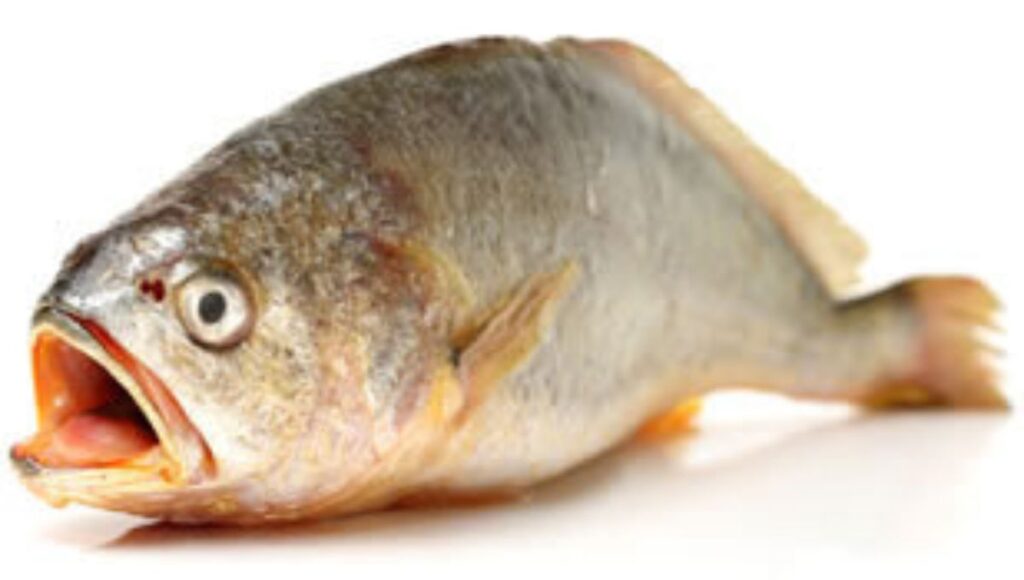
The Ghol Fish, scientifically known as Protonibea diacanthus, is popularly called the “Gold of the Sea” because of its extremely high market value. It belongs to the croaker family, a group of fish famous for producing unique drum-like sounds underwater.
The fish has a shiny golden-brown body and is mainly found in the Arabian Sea near the coasts of Gujarat and Maharashtra. It is also seen in some parts of the Indo-Pacific region. Adult Ghol fish usually grow up to 1.5 meters in length and weigh between 20 and 35 kilograms, though some giant specimens can exceed 300 kilograms.
The fish gained nationwide attention in 2021 when fishermen from Maharashtra earned around ₹1.33 crore after catching 157 Ghol fish. Similar stories continue to emerge from coastal villages where fishermen suddenly become wealthy after a lucky catch.
Its enormous value comes from one special body part — the air bladder.
Why Is the Ghol Fish So Expensive?
The main reason behind the Ghol fish’s sky-high price is its air bladder, also called “fish maw.” This organ helps the fish maintain balance in water, but in international markets, it is considered a luxury product.
After drying and processing, the air bladder is used in:
- Traditional medicines
- Cosmetic and beauty products
- Surgical stitches
- Nutritional supplements
- High-end soups and delicacies
- Wine and beer clarification
Countries like China, Singapore, Hong Kong, and Japan import large quantities of fish maw because it is believed to have medicinal and anti-aging properties.
In some markets, one kilogram of premium-quality Ghol fish bladder can sell for anywhere between ₹5 lakh and ₹11 lakh. This makes it more valuable than gold in certain situations.
In 2023, fishermen in Odisha sold just 17 Ghol fish for approximately ₹19.5 lakh, proving once again why it is considered one of the most profitable catches in the fishing industry.
5 Amazing Facts About Ghol Fish
1. The Ghol Fish Can Produce Croaking Sounds
The Ghol fish belongs to the croaker family, meaning it can create loud drum-like sounds underwater. It does this by vibrating special muscles near its air bladder. These sounds are often used during communication and mating.
This unusual ability is one reason marine biologists find the species fascinating.
2. Its Air Bladder Is Worth More Than Gold
The dried air bladder, known as fish maw, is one of the most expensive seafood products in the world. In luxury Asian markets, it is considered a delicacy and a medicinal ingredient.
Some premium-quality fish maw varieties are sold at astonishing prices due to their rarity and demand.
3. It Can Survive in Both Sea and River Mouths
Although the Ghol fish mainly lives in the sea, it can also enter estuaries and river mouths. This adaptability allows it to survive in different water conditions.
Young fish are often found in shallow coastal waters before moving into deeper regions as they grow.
4. Pollution Has Forced It into Deeper Waters
Earlier, fishermen could catch Ghol fish near the coastline. However, increasing pollution, industrial waste, and habitat destruction have pushed many of them into deeper waters.
As a result, catching them has become more difficult and expensive.
5. It Is Gujarat’s Official State Fish
Recognizing its ecological and economic importance, Gujarat declared the Ghol fish its official state fish in 2023.
This step was taken to promote conservation awareness and protect the species from overfishing.
Commercial Importance of Ghol Fish
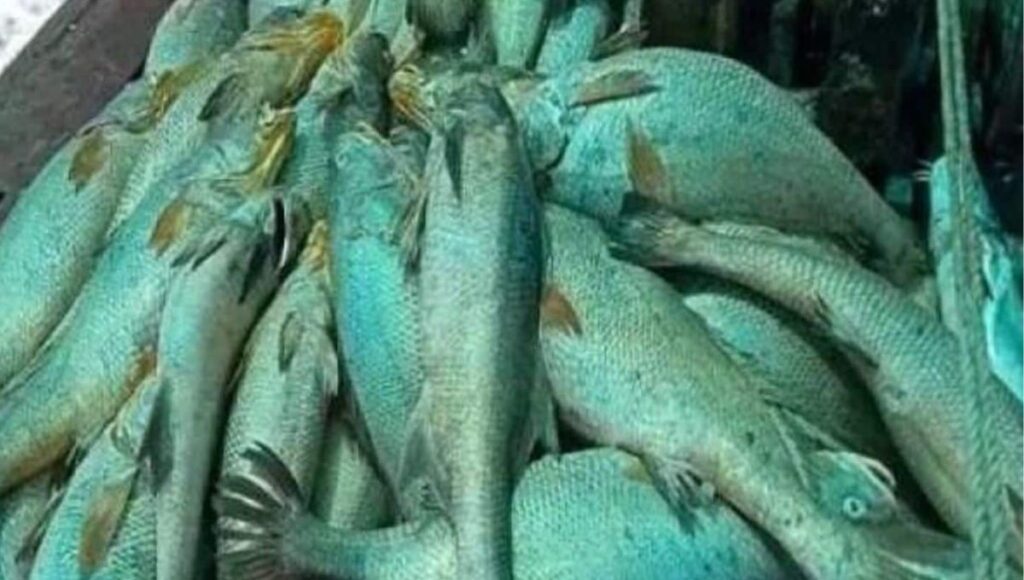
The Ghol fish is considered one of India’s most commercially valuable marine species. It plays a major role in the fishing economy of Gujarat and Maharashtra.
1. Huge Export Demand
The fish is highly demanded in international markets, especially in China, Japan, Singapore, and Hong Kong. Export companies buy the fish mainly for its air bladder and meat.
The air bladder alone can generate enormous profits for exporters and fishermen.
2. A “Lottery Fish” for Fishermen
Coastal fishermen often describe the Ghol fish as a lottery ticket. A single large catch can earn lakhs of rupees in just one day.
Stories of fishermen becoming overnight millionaires after catching Ghol fish are common along India’s western coast.
3. Fish Meat Is Also Valuable
Apart from the air bladder, Ghol fish meat is also exported in frozen form. It is known for its rich taste and high nutritional value.
Restaurants and seafood markets consider it a premium-quality fish.
4. Supports Coastal Economies
The Ghol fish industry supports thousands of livelihoods, including:
- Fishermen
- Fish traders
- Export companies
- Processing workers
- Transportation businesses
The species contributes significantly to India’s seafood export industry.
Ecological Importance of Ghol Fish
While the Ghol fish is famous for its commercial value, it also plays a crucial role in maintaining marine ecosystems.
1. Maintains Balance in the Food Chain
The Ghol fish feeds on:
- Small fish
- Prawns
- Crustaceans
- Tiny marine organisms
By controlling these populations, it helps maintain ecological balance in coastal waters.
2. Important for Mangrove Ecosystems
The fish is commonly associated with muddy sea floors and mangrove habitats. These ecosystems are vital breeding grounds for many marine species.
Healthy Ghol fish populations often indicate a healthy marine environment.
3. Food Source for Larger Marine Animals
Larger predators in the sea depend on fish like Ghol as part of the food chain. A decline in their population can affect the entire marine ecosystem.
4. Indicator of Ocean Health
Scientists consider the Ghol fish an indicator species. If its population declines sharply, it may signal problems like:
- Pollution
- Overfishing
- Habitat destruction
- Climate change
Protecting the species helps preserve marine biodiversity.
Health Benefits of Ghol Fish
The Ghol fish is not only expensive but also highly nutritious. It contains several essential nutrients that benefit human health.
Rich in Omega-3 Fatty Acids
Omega-3 fats help:
- Improve brain function
- Support heart health
- Reduce inflammation
- Enhance memory and learning
Good for Eyesight
The fish contains vitamins and minerals that may support healthy vision and eye function.
High Protein Content
Ghol fish is rich in protein, which helps:
- Build muscles
- Support child growth
- Improve body strength
- Repair tissues
Contains Important Minerals
It provides nutrients like:
- Iron
- Magnesium
- Selenium
- Iodine
- Taurine
These nutrients help maintain overall health and immunity.
Supports Healthy Skin
Collagen extracted from the fish is used in skincare products and beauty treatments. It may help improve skin elasticity and smoothness.
Why Is the Ghol Fish Becoming Rare?
Despite its high value, the Ghol fish is becoming increasingly rare in Indian waters.
1. Overfishing
High demand has led to excessive fishing, reducing the species population rapidly.
2. Pollution
Industrial waste and plastic pollution in coastal waters are damaging marine habitats.
3. Habitat Destruction
Mangrove forests and breeding areas are shrinking because of urban development and coastal construction.
4. Climate Change
Rising sea temperatures and changing ocean conditions may affect the fish’s migration and breeding patterns.
Conservation Efforts
To protect the species, experts are recommending:
- Controlled fishing practices
- Protection of breeding seasons
- Marine conservation zones
- Awareness programs for fishermen
- Better pollution control
The declaration of Ghol fish as Gujarat’s state fish is also expected to encourage conservation initiatives.
The Fascinating Future of the “Sea Gold”
The Ghol fish remains one of the most mysterious and valuable marine creatures found near India’s western coast. Its incredible market value, medicinal importance, and ecological role make it unique among marine species.
For fishermen, it represents hope, luck, and prosperity. For scientists, it is an important part of marine biodiversity. And for international markets, it is one of the world’s most prized seafood products.
However, the future of this “Sea Gold” depends on responsible fishing and conservation efforts. If protected properly, the Ghol fish can continue to support both marine ecosystems and coastal livelihoods for generations to come.
The next time you hear about a fisherman becoming rich overnight, there’s a good chance the legendary Ghol fish might be the reason behind it.