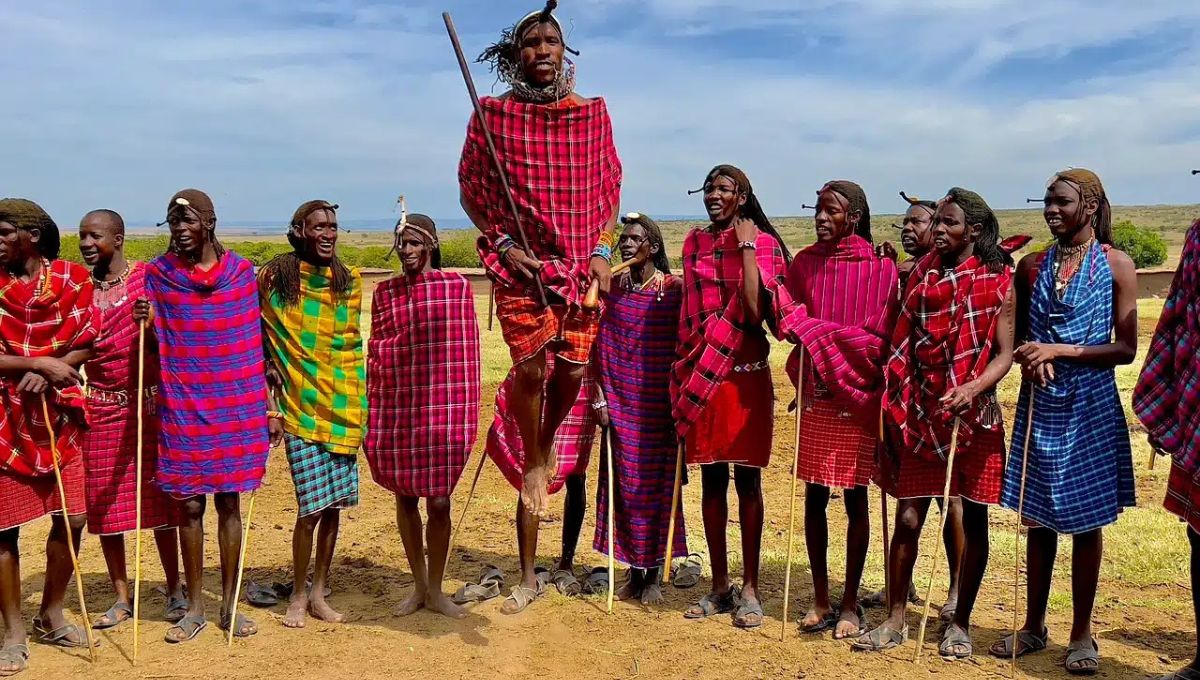
Across the sweeping savannas of East Africa lives one of the world’s most recognizable indigenous communities—the Maasai. Known for their vibrant red clothing, fearless warrior traditions, intricate beadwork, and deep connection to cattle, the Maasai have become a global symbol of African cultural heritage.
Primarily inhabiting the grasslands of Kenya and Tanzania, the Maasai People have preserved their identity for centuries despite colonialism, modernization, climate challenges, and rapid social change.
To outsiders, the Maasai are often associated with dramatic landscapes, colorful attire, and ceremonial dances. But beneath these iconic images lies a rich and complex culture shaped by resilience, community, spirituality, and a profound relationship with nature.
The story of the Maasai is not simply about survival.
It is about preserving dignity, identity, and ancient traditions in an increasingly modernized world.
Who Are the Maasai?
The Maasai are a Nilotic ethnic group indigenous to East Africa, particularly the regions stretching across southern Kenya and northern Tanzania.
Historically, they were semi-nomadic pastoralists who moved seasonally across the savannas in search of water and grazing land for their cattle.
For centuries, the Maasai developed a way of life perfectly adapted to the challenging conditions of East Africa’s grasslands.
Their society revolves around:
- Cattle herding
- Community cooperation
- Warrior traditions
- Spiritual beliefs
- Oral storytelling
- Ceremonial rituals
Despite the spread of cities, roads, tourism, and modern economies, many Maasai communities continue to preserve important aspects of their traditional culture.
The Sacred Importance of Cattle
At the heart of Maasai culture lies cattle.
To the Maasai, cattle are far more than livestock.
They represent:
- Wealth
- Status
- Survival
- Spiritual blessing
- Family prosperity
- Social identity
Traditionally, a person’s wealth is often measured by the size of their herd.
Cattle provide:
- Milk
- Meat
- Hides
- Trade value
- Ceremonial importance
In Maasai belief systems, cattle are considered sacred gifts from God.
This spiritual connection explains why cattle occupy such a central role in daily life, marriage traditions, ceremonies, and social relationships.
Even today, many Maasai families continue to rely heavily on pastoralism as their primary livelihood.
Life on the African Savanna
The Maasai homeland stretches across some of Africa’s most iconic landscapes.
Their territories include regions near famous wildlife areas such as:
- Serengeti National Park
- Maasai Mara National Reserve
- Ngorongoro Conservation Area
These environments consist of:
- Open grasslands
- Acacia woodlands
- Seasonal rivers
- Dry savannas
- Wildlife migration routes
For generations, the Maasai coexisted with wildlife including:
- Lions
- Elephants
- Zebras
- Wildebeest
- Giraffes
Their traditional knowledge of the land helped them survive in environments shaped by droughts, predators, and seasonal climate changes.
The Iconic Red Shuka
One of the most recognizable features of Maasai culture is their vibrant clothing.
The traditional garment worn by many Maasai is called the shuka, a brightly colored cloth often dominated by red patterns.
Red carries deep symbolic meaning within Maasai culture.
It is associated with:
- Courage
- Strength
- Protection
- Warrior identity
Historically, the bright red color was also believed to deter predators such as lions.
Today, Maasai clothing combines both traditional symbolism and modern influences, but the iconic red attire remains a powerful expression of cultural pride and identity.
The Art of Maasai Beadwork
The Maasai are internationally famous for their beautiful beadwork.
Women in particular create intricate jewelry using colorful beads arranged in highly symbolic patterns.
These ornaments include:
- Necklaces
- Bracelets
- Earrings
- Headpieces
- Decorative collars
The colors used in Maasai beadwork often carry specific meanings:
- Red symbolizes bravery and unity
- Blue represents the sky and energy
- White signifies purity and milk
- Green symbolizes health and land
- Yellow represents hospitality
Beadwork can also communicate:
- Social status
- Age group
- Marital status
- Clan identity
Beyond decoration, beadwork serves as an important cultural language passed down through generations.
The Famous Maasai Jumping Dance
One of the Maasai’s most celebrated cultural traditions is the Adumu, often referred to as the “jumping dance.”
This energetic performance is commonly associated with young Maasai warriors during ceremonies and celebrations.
During the dance:
- Participants stand in a circle
- Warriors take turns jumping vertically
- The body remains upright and controlled
- Songs and rhythmic chants accompany the performance
The goal is not distance but height and endurance.
The higher a warrior jumps, the more admiration he may receive from peers and potential partners.
The Adumu symbolizes:
- Strength
- Discipline
- Endurance
- Pride
- Warrior spirit
Today, the jumping dance has become one of the most globally recognized symbols of Maasai culture.
The Moran Warrior Tradition
Historically, young Maasai men passed through an important warrior stage known as Moran.
This stage represented the transition from boyhood into adulthood and responsibility.
Young warriors were trained in:
- Survival skills
- Herd protection
- Leadership
- Courage
- Community defense
The Moran period was marked by discipline, physical endurance, and strong group identity.
Warriors traditionally protected villages and livestock from:
- Predators
- Rival groups
- External threats
Although modern governments and changing lifestyles have reduced traditional warrior roles, the warrior spirit remains deeply respected within Maasai culture.
The image of the fearless Maasai warrior continues to symbolize courage and pride throughout East Africa.
Family and Community Structure
Maasai society is highly community-oriented.
Family and clan relationships play central roles in social organization.
Traditional villages, often called manyattas, consist of homes built from:
- Mud
- Sticks
- Grass
- Cow dung
These settlements are usually arranged in circular patterns for protection and communal living.
Community life revolves around:
- Shared responsibilities
- Ceremonial gatherings
- Livestock management
- Collective decision-making
Elders hold respected positions within society and often guide important cultural and social matters.
Spiritual Beliefs and Traditions
Traditional Maasai spirituality centers around a deity known as Enkai or Engai.
Enkai is associated with:
- Creation
- Rain
- Fertility
- Protection
- Nature
The Maasai worldview reflects a close spiritual relationship with the land, cattle, and natural environment.
Ceremonies and rituals often mark important life transitions such as:
- Birth
- Circumcision
- Warrior initiation
- Marriage
- Elderhood
Although Christianity has spread among many Maasai communities, traditional beliefs and cultural practices continue to remain influential.
Women in Maasai Society
Women play essential roles within Maasai communities.
Their responsibilities traditionally include:
- Building homes
- Caring for children
- Collecting water
- Preparing food
- Creating beadwork
Maasai women are also guardians of cultural traditions, especially through storytelling, songs, and artistic crafts.
In recent decades, increasing attention has focused on improving:
- Education opportunities
- Healthcare access
- Women’s rights
- Economic participation
Many Maasai women now combine traditional cultural roles with modern entrepreneurship, tourism, and advocacy work.
Challenges Facing the Maasai Today
Like many indigenous communities worldwide, the Maasai face major challenges in the modern era.
These include:
- Land disputes
- Urban expansion
- Climate change
- Drought
- Loss of grazing land
- Economic pressure
Climate change has particularly affected pastoralist lifestyles by increasing drought frequency and reducing water availability for livestock.
Conservation policies and tourism development have also created tensions over land access in some regions.
Balancing cultural preservation with modernization remains an ongoing challenge for many Maasai communities.
Tourism and Cultural Preservation
The Maasai have become one of Africa’s most internationally recognized indigenous cultures.
Tourists visiting East Africa often seek cultural experiences involving Maasai villages, dances, crafts, and ceremonies.
Tourism has created opportunities for:
- Income generation
- Cultural awareness
- Educational programs
- Artisan markets
However, it also raises important questions about:
- Cultural commercialization
- Authenticity
- Economic fairness
- Respectful representation
Responsible tourism plays an important role in supporting Maasai communities while preserving cultural dignity and autonomy.
Education and the Future of Maasai Youth
Modern education has become increasingly important within Maasai communities.
Many young Maasai now pursue:
- Formal schooling
- University education
- Careers in business
- Conservation work
- Healthcare
- Politics
At the same time, there is growing concern about preserving traditional knowledge, language, and customs among younger generations.
Many Maasai leaders emphasize the importance of balancing education with cultural identity.
The goal is not to abandon tradition but to adapt while maintaining heritage and community values.
The Maasai and Wildlife Conservation
The Maasai have lived alongside wildlife for centuries.
Their traditional pastoralist lifestyle often coexisted sustainably with East Africa’s ecosystems.
Today, Maasai lands remain important for biodiversity conservation and wildlife migration routes.
Many conservation experts recognize the importance of indigenous communities in protecting ecosystems and maintaining ecological balance.
Some Maasai communities now participate in:
- Wildlife conservation programs
- Eco-tourism initiatives
- Sustainable land management
- Environmental education
Their traditional environmental knowledge continues to hold significant value in modern conservation efforts.
A Culture of Pride and Resilience
The Maasai remain one of the world’s most enduring symbols of cultural resilience.
Despite colonization, modernization, environmental pressures, and economic change, they continue preserving traditions that have survived for generations.
Their vibrant clothing, warrior ceremonies, beadwork, and pastoral lifestyle reflect a culture deeply rooted in identity and community pride.
But the Maasai are not simply relics of the past.
They are modern indigenous communities navigating change while protecting ancestral heritage.
What the Maasai Teach the World
The Maasai offer powerful lessons about:
- Community strength
- Cultural identity
- Respect for nature
- Resilience in adversity
- The importance of heritage
In an increasingly globalized world, their story reminds humanity that progress does not require abandoning tradition.
The Maasai continue to prove that ancient cultures can survive, adapt, and remain proud without losing their identity.
The Enduring Spirit of the Maasai
The Maasai stand as one of Africa’s greatest cultural treasures.
From the sweeping savannas of Kenya and Tanzania to global recognition across the world, they remain powerful symbols of tradition, resilience, and pride.
Their connection to cattle, warrior heritage, spiritual beliefs, and community life reflects centuries of adaptation to one of the world’s most beautiful and challenging environments.
As modernization continues reshaping the world around them, the Maasai continue striving to protect their identity and preserve their ancient heritage for future generations.
Their story is not simply about survival.
It is a story of enduring strength, cultural pride, and humanity’s timeless connection to land, tradition, and community..