
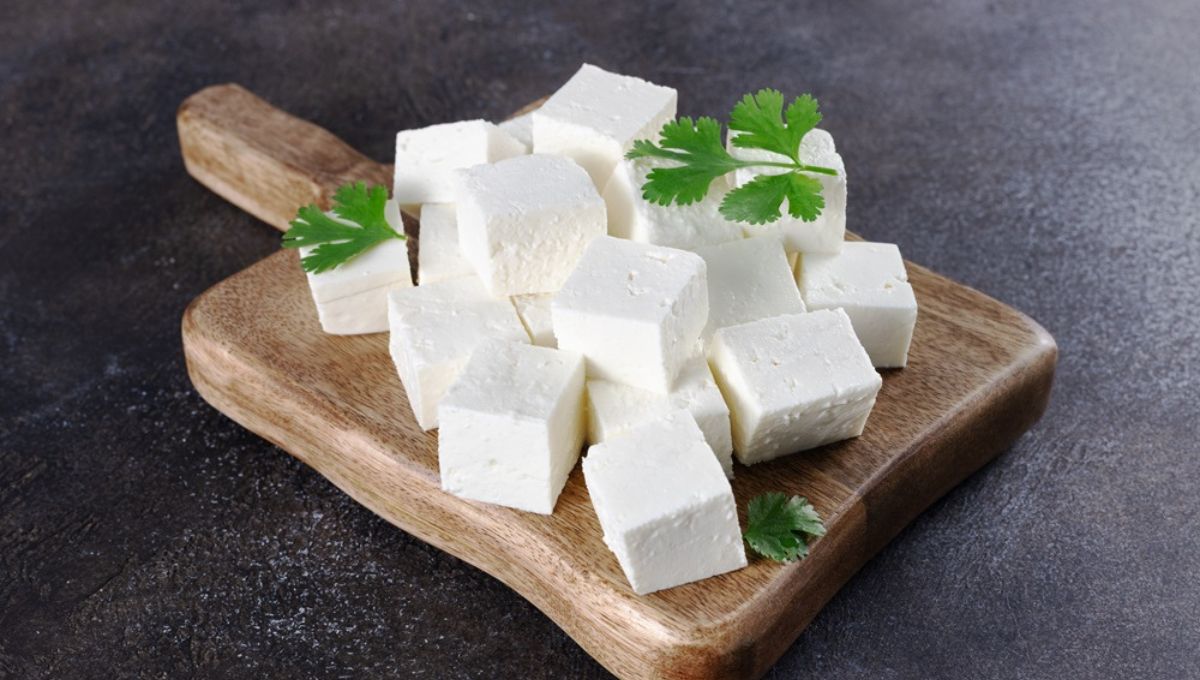
Few ingredients hold the same cultural and culinary importance in Indian cuisine as Paneer. Soft, rich, protein-packed, and incredibly versatile, paneer has become one of the most loved foods across India and beyond. Whether served in luxurious restaurant curries, grilled in smoky tandoors, stuffed into wraps, or added to festive dishes, paneer occupies a special place in vegetarian cooking.
For millions of Indians, paneer is more than just food. It represents comfort, celebration, nutrition, and tradition. From weddings and festivals to everyday family dinners, paneer dishes are almost always guaranteed to appear on the menu.
Over the years, paneer has also gained international popularity as global audiences discover Indian cuisine and seek high-protein vegetarian alternatives. Despite often being called “cottage cheese” in English, paneer is unique in both texture and preparation, making it very different from most Western cheeses.
So what exactly is paneer? How is it made? Why does it not melt like regular cheese? And what makes it such an important part of Indian cooking?
Here is a deep look into the fascinating world of paneer.
What Is Paneer?
Paneer is a fresh cheese made by curdling milk using acidic ingredients such as lemon juice, vinegar, or yogurt. Unlike aged cheeses, paneer is consumed fresh and does not undergo fermentation or ripening.
The curdled milk solids are separated from the whey, wrapped in cloth, and pressed into firm blocks. Once cooled, the paneer becomes ready for slicing, frying, grilling, or adding directly to dishes.
In English, paneer is commonly referred to as “cottage cheese,” but the comparison is only partially accurate. Western cottage cheese is usually loose, creamy, and moist, while paneer is firm, compact, and capable of retaining its shape during cooking.
One of paneer’s most distinctive characteristics is that it does not melt easily under heat. This makes it ideal for curries, skewers, stir-fries, and grilled dishes where the cheese must maintain its structure.
Paneer is especially popular in North Indian cuisine, although it is now widely consumed throughout India and in many international kitchens.
The History And Cultural Importance Of Paneer
The origins of paneer remain debated among food historians. Some believe the technique of curdling milk with acidic agents arrived in India through Persian and Afghan influences during medieval times. Others argue that forms of fresh cheese existed in ancient India long before foreign influence.
Regardless of its exact origins, paneer eventually became deeply embedded in Indian culinary traditions.
In many Indian households, paneer symbolizes celebration and hospitality. Rich paneer dishes are commonly prepared during:
- Weddings
- Festivals
- Religious gatherings
- Birthday celebrations
- Family functions
- Restaurant outings
Because many Indians follow vegetarian diets for cultural or religious reasons, paneer evolved into one of the primary sources of protein in traditional cuisine.
Its adaptability also made it extremely popular. Paneer can absorb spices beautifully while maintaining a soft, creamy texture inside. This allows chefs and home cooks to create a huge variety of dishes ranging from spicy curries to grilled appetizers and even desserts.
Today, paneer has become one of the defining ingredients of Indian vegetarian cuisine worldwide.
How Paneer Is Made
One reason paneer remains so popular is the simplicity of its preparation.
The process begins by heating full-fat milk until it reaches a near-boiling point. Once hot, an acidic ingredient such as lemon juice or vinegar is added slowly while stirring.
Almost immediately, the milk separates into two parts:
- Curds (solid milk proteins)
- Whey (liquid)
The curds are then collected using a muslin cloth or fine strainer. Cold water is often poured over them to remove the acidic taste.
Next comes the crucial step — pressing.
The curds are wrapped tightly in cloth and pressed under weight for several hours. This removes excess moisture and helps the paneer firm up into a compact block.
The final texture depends on:
- Type of milk used
- Amount of pressure applied
- Duration of pressing
- Fat content in the milk
Fresh paneer is soft, creamy, mildly milky, and delicate in flavor. Unlike processed cheeses, it contains no artificial preservatives when made traditionally at home.
Why Paneer Does Not Melt
One of the most interesting things about paneer is its heat resistance.
Most cheeses melt because they contain a balance of fat, moisture, and proteins that loosen under heat. Paneer behaves differently because the acid-curdling process creates a tightly bonded protein structure.
As a result:
- Paneer softens slightly when heated
- But it retains its shape
- It does not become stretchy or gooey
This property makes paneer perfect for Indian curries and grilled dishes where the cubes must remain intact during cooking.
Whether simmered in spicy gravy or roasted in a tandoor, paneer maintains its texture remarkably well.
Paneer vs Cottage Cheese: Are They The Same?
Although paneer is often translated as cottage cheese, the two are not identical.
Texture
Paneer is firm and compact, while cottage cheese is soft, creamy, and loose.
Preparation
Paneer is pressed into blocks after curdling, whereas cottage cheese usually remains unpressed.
Moisture Content
Paneer contains less moisture, making it easier to fry or grill.
Cooking Style
Paneer is commonly cooked in curries and hot dishes, while cottage cheese is often eaten fresh in salads or snacks.
Taste
Paneer has a mild milky flavor, while cottage cheese tends to be tangier and creamier.
Because of these differences, paneer behaves very differently in recipes.
Paneer vs Tofu: Which Is Better?
Paneer and Tofu are frequently compared because both are widely used as vegetarian protein sources.
However, they differ significantly in ingredients, taste, and nutrition.
Base Ingredient
- Paneer is made from dairy milk
- Tofu is made from soy milk
Taste
- Paneer has a rich, creamy flavor
- Tofu has a neutral taste that absorbs seasonings
Texture
- Paneer is firmer and creamier
- Tofu can range from silken to extra firm
Nutrition
Paneer is generally:
- Higher in protein
- Higher in fat
- Higher in calories
Tofu is generally:
- Lower in fat
- Cholesterol-free
- Lower in calories
Dietary Preference
- Paneer is vegetarian but not vegan
- Tofu is fully vegan
Fitness enthusiasts often choose paneer for muscle-building diets because of its high protein content, while health-conscious consumers seeking lower fat intake may prefer tofu.
Neither is universally “better.” The ideal choice depends on dietary needs and personal preferences.
Nutritional Benefits Of Paneer
Paneer is considered one of the most nutritious dairy products in Indian cuisine.
Rich In Protein
Protein is essential for:
- Muscle growth
- Tissue repair
- Hormone production
- Overall body function
Paneer provides a significant amount of high-quality protein, making it especially valuable in vegetarian diets.
Excellent Source Of Calcium
Paneer contains calcium, which supports:
- Bone strength
- Teeth health
- Muscle function
- Nerve signaling
Healthy Fats
Paneer contains milk fats that help:
- Provide energy
- Improve satiety
- Support vitamin absorption
Low In Carbohydrates
Paneer is naturally low in carbohydrates, making it popular in:
- Low-carb diets
- Keto diets
- High-protein meal plans
Because of its nutritional profile, paneer is commonly consumed by:
- Athletes
- Gym-goers
- Growing children
- Vegetarians
- People seeking high-protein foods
Most Popular Paneer Dishes In India
Paneer’s versatility allows it to shine in countless recipes.
Paneer Butter Masala
One of the most iconic Indian dishes, paneer butter masala combines soft paneer cubes with a rich tomato-butter gravy.
Palak Paneer
This healthy classic blends spinach puree with paneer cubes to create a nutritious and flavorful curry.
Shahi Paneer
Known for its royal taste, shahi paneer uses cream, nuts, and aromatic spices for a luxurious texture.
Paneer Tikka
Chunks of paneer are marinated in spices and yogurt before being grilled or roasted in a tandoor.
Kadai Paneer
Prepared with bell peppers, onions, and bold spices, this dish is famous for its smoky flavor.
Chilli Paneer
A favorite Indo-Chinese dish featuring crispy paneer tossed in spicy sauces with vegetables.
Paneer Bhurji
A scrambled paneer preparation similar to scrambled eggs, commonly eaten with bread or roti.
Paneer Wraps And Rolls
Modern street-food versions include paneer fillings inside wraps, frankies, and sandwiches.
Why Paneer Is So Popular In India
Paneer’s popularity comes from a combination of taste, nutrition, and cultural significance.
It Suits Vegetarian Diets
India has one of the world’s largest vegetarian populations, and paneer serves as an excellent meat alternative.
It Works In Multiple Recipes
Paneer adapts to spicy, creamy, grilled, fried, and even sweet dishes.
It Appeals Across Age Groups
Children enjoy its soft texture, while adults appreciate its richness and nutrition.
It Fits Modern Fitness Trends
High-protein diets have increased paneer consumption among health-conscious consumers.
It Is Easily Available
Paneer is sold in:
- Local dairies
- Supermarkets
- Restaurants
- Street-food stalls
Fresh homemade paneer also remains common in many Indian households.
Interesting Facts About Paneer
Paneer Is One Of India’s Most Consumed Dairy Products
Alongside milk, curd, and ghee, paneer remains a staple ingredient in Indian kitchens.
Fresh Paneer Has A Short Shelf Life
Traditional paneer is best consumed fresh because it contains no preservatives.
Paneer Can Be Made At Home Easily
Many households still prepare paneer fresh using only milk and lemon juice.
Paneer Is Widely Used Globally
As Indian cuisine gains international popularity, paneer is appearing in restaurants worldwide.
It Is Often Called “Indian Cheese”
Internationally, paneer is commonly marketed as Indian cottage cheese or Indian fresh cheese.
The Global Rise Of Paneer
In recent years, paneer has gained remarkable global recognition.
As vegetarianism and high-protein diets become more popular worldwide, chefs and consumers are increasingly experimenting with paneer in modern recipes such as:
- Paneer burgers
- Paneer tacos
- Paneer salads
- Paneer pizzas
- Paneer pasta dishes
Its ability to absorb flavors while maintaining texture makes it attractive for fusion cuisine.
Indian restaurants abroad have also played a major role in introducing paneer to global audiences.
Conclusion
Paneer is far more than just a dairy product. It is a symbol of Indian culinary identity, a nutritional powerhouse, and one of the most versatile ingredients in vegetarian cooking.
From comforting homemade curries to restaurant delicacies and modern fusion dishes, paneer continues to evolve while remaining deeply rooted in tradition.
Its rich flavor, high protein content, and unique cooking properties explain why it has remained a favorite across generations. Whether enjoyed in a creamy butter masala, grilled as tikka, or simply eaten fresh, paneer continues to hold a special place on dining tables across India and increasingly around the world.
As global interest in vegetarian cuisine grows, paneer’s popularity is likely to rise even further — carrying a taste of Indian tradition to kitchens everywhere.