
Few companies in the world enjoy the kind of trust, admiration, and global recognition that Sony Group Corporation has built over the decades. From televisions and cameras to gaming consoles, headphones, movies, and music, Sony has become deeply woven into everyday life across the globe.
For millions of people, Sony is not just a company — it is a symbol of innovation, entertainment, quality, and nostalgia. Generations have grown up watching Sony televisions, listening to music on Sony Walkmans, playing games on the PlayStation, or using Sony headphones and cameras.
But behind this massive global brand lies a fascinating story of friendship, vision, resilience, and post-war ambition.
Who actually owns Sony today? Was it founded by a single entrepreneur? Is Sony still controlled by the founding family? And who runs the company now?
The answers reveal how two young Japanese visionaries transformed a small electronics startup into one of the world’s most influential technology and entertainment empires.
The Birth Of Sony: A Dream Born In Post-War Japan
Sony’s story begins in a difficult chapter of Japanese history.
In 1945, Japan was devastated after World War II. Cities were destroyed, industries were struggling, and the economy was in ruins. Yet amid that uncertainty, two men believed they could create something extraordinary.
Those two men were Masaru Ibuka and Akio Morita.
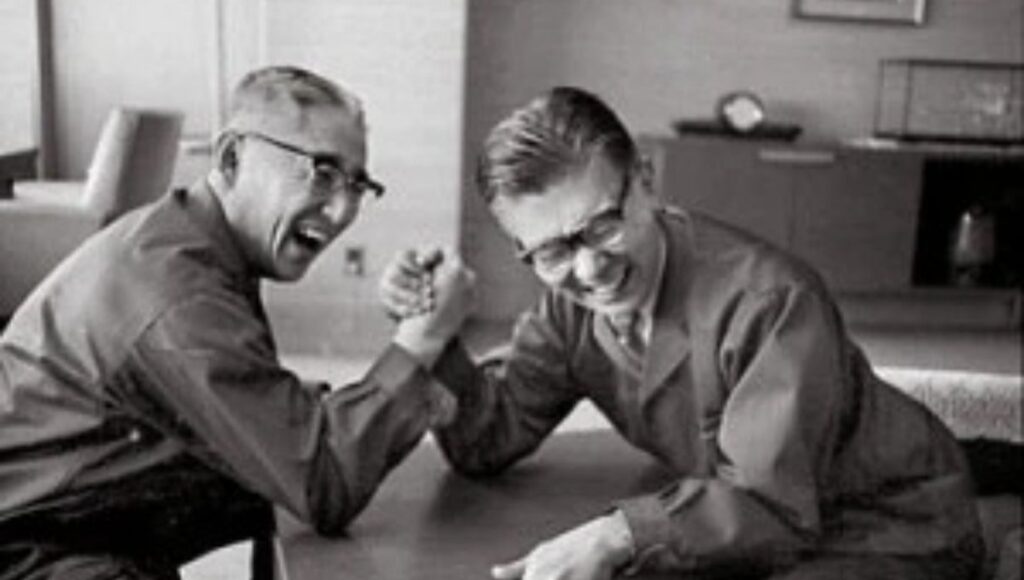
On May 7, 1946, they founded a company called Tokyo Tsushin Kogyo, which translates to Tokyo Telecommunications Engineering Corporation.
The beginning was incredibly modest.
The company reportedly started with:
- Around 190,000 yen in capital
- Just over 20 employees
- A small office in war-damaged Tokyo
Masaru Ibuka was an engineer known for his technical brilliance and creativity. Akio Morita, meanwhile, brought business vision, marketing instincts, and international ambition to the partnership.
Their personalities complemented each other perfectly.
Ibuka focused heavily on innovation and engineering, while Morita concentrated on global expansion and brand-building. Together, they formed one of the most successful business partnerships in modern corporate history.
At the time of founding:
- Ibuka was 38 years old
- Morita was only 25
Despite limited resources, the duo shared a powerful dream — to build a company driven by originality and innovation rather than imitation.
Sony’s Early Struggles And First Innovations
The company’s early years were not easy.
Post-war Japan faced shortages of materials, weak consumer spending, and limited industrial infrastructure. Yet Tokyo Tsushin Kogyo refused to give up.
The company initially worked on repairing electronic equipment and experimenting with new technologies. Slowly, it began creating original products that attracted attention.
One of its earliest breakthroughs came with the development of Japan’s first tape recorder.
Soon afterward, the company entered the rapidly growing consumer electronics industry and began building a reputation for innovation.
But the real turning point came when the founders realized they needed a name that could succeed globally.
How Sony Got Its Name
In 1958, the company officially changed its name from Tokyo Tsushin Kogyo to Sony Corporation.
The name “Sony” was carefully chosen to create an international identity that would be easy to pronounce in multiple languages.
The word combined two ideas:
“Sonus”
A Latin word associated with:
- Sound
- Sonic
- Audio
“Sonny”
An American slang term referring to a young boy or youthful person.
Together, the name “Sony” represented:
- Youthfulness
- Creativity
- Energy
- Innovation
- Global ambition
The founders wanted a short, memorable name that reflected the spirit of a young company with limitless imagination.
This decision proved revolutionary.
At a time when many Japanese companies used long, region-specific names, Sony adopted a simple global brand identity decades ahead of its competitors.
That branding strategy later became one of the company’s greatest strengths.
Sony’s Rise To Global Fame
During the 1960s and 1970s, Sony rapidly expanded across international markets, especially in the United States.
The company became famous for producing high-quality, innovative electronics that often arrived ahead of competitors.
Some of Sony’s most iconic products transformed entire industries.
The Transistor Radio
Sony popularized compact transistor radios that changed how people consumed music and news.
The Walkman
In 1979, Sony launched the Sony Walkman, one of the most revolutionary consumer electronics products ever created.
For the first time, people could carry music with them everywhere. The Walkman reshaped youth culture worldwide and turned portable music into a global phenomenon.
Sony Televisions
Sony’s televisions became symbols of premium quality and cutting-edge display technology.
PlayStation
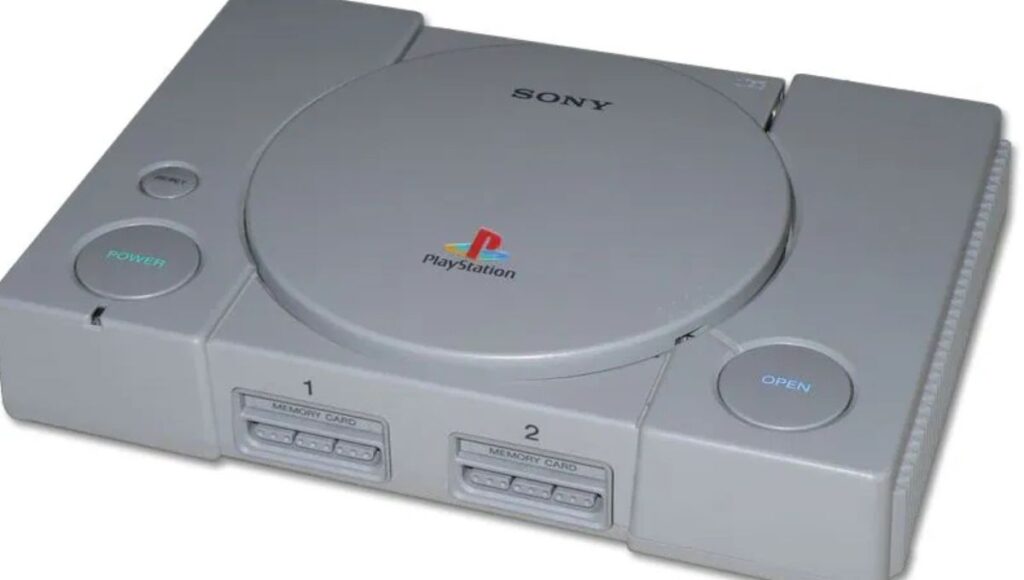
In 1994, Sony entered the gaming industry with PlayStation — a move that completely changed the gaming world.
Today, PlayStation remains one of the most successful gaming brands in history.
Cameras And Audio Products
Sony later became a leader in:
- Digital cameras
- Imaging sensors
- Professional cinema technology
- Headphones
- Audio systems
Over time, Sony evolved far beyond electronics.
Sony’s Expansion Into Entertainment
Unlike many technology companies, Sony built a powerful presence in entertainment as well.
The company expanded into:
- Music
- Movies
- Television production
- Gaming
- Streaming
Sony acquired major entertainment assets including:
- Sony Pictures Entertainment
- Sony Music Entertainment
This diversification made Sony unique because it controlled both:
- Hardware platforms
- Entertainment content
For example:
- Sony creates PlayStation consoles
- Sony also produces games, films, and music consumed on those devices
This ecosystem strengthened the company’s global influence.
Who Owns Sony Today?
One of the most common questions people ask is:
Who actually owns Sony?
The answer surprises many people.
Sony is not privately owned by a family or a single individual.
Instead, Sony Group Corporation is a publicly traded company listed on:
- The Tokyo Stock Exchange
- The New York Stock Exchange
This means ownership is divided among:
- Institutional investors
- Mutual funds
- Banks
- Financial firms
- Pension funds
- Individual shareholders
In simple terms, Sony is collectively owned by the public through stock market investments.
This structure is similar to many major global corporations.
Large investment firms and Japanese financial institutions typically hold significant shares in Sony, but no single person “owns” the company outright.
The founders’ families no longer control Sony directly.
Instead, the company is governed by:
- Shareholders
- Board members
- Corporate executives
This public ownership model allows Sony to raise capital globally and operate as a multinational corporation.
Who Is The CEO Of Sony Right Now?
Sony’s current President and CEO is Hiroki Totoki.
He officially took over as CEO on April 1, 2025, succeeding Kenichiro Yoshida.
Before becoming CEO, Totoki served in several important leadership roles within Sony, including:
- Chief Operating Officer
- Chief Financial Officer
He is widely regarded as an experienced executive with deep understanding of Sony’s diverse business operations.
Totoki’s leadership comes at a crucial time as Sony continues expanding in:
- Gaming
- Artificial intelligence
- Entertainment
- Semiconductor technology
- Digital services
His challenge is balancing Sony’s traditional strengths in hardware with fast-changing global technology trends.
Why Sony Became So Successful
Sony’s success did not happen by accident.
Several factors helped transform it into a global powerhouse.
Relentless Innovation
Sony consistently introduced groundbreaking products that changed consumer behavior.
Strong Brand Identity
The Sony name became associated with:
- Reliability
- Quality
- Premium design
- Technological excellence
Global Thinking
Sony expanded internationally far earlier than many Japanese competitors.
Combination Of Technology And Entertainment
Very few companies successfully dominate both hardware and content industries.
Risk-Taking Culture
Sony repeatedly entered new industries despite uncertainty.
Examples include:
- Portable music
- Gaming
- Digital imaging
- Entertainment production
This willingness to innovate helped Sony stay relevant for decades.
Challenges Sony Faced
Despite its success, Sony has also experienced difficult periods.
The company faced intense competition from rivals including:
- Samsung Electronics
- Apple Inc.
- Microsoft
At different points, Sony struggled with:
- Falling electronics profits
- Changing consumer trends
- Smartphone competition
- Economic downturns
However, the company adapted by focusing on profitable divisions such as:
- Gaming
- Imaging sensors
- Entertainment
- Subscription services
This strategic shift helped Sony regain financial strength.
Sony’s Impact On Global Culture
Few brands have shaped global entertainment and technology culture like Sony.
Sony products have influenced:
- Music listening habits
- Gaming culture
- Home entertainment
- Photography
- Cinema production
Entire generations associate Sony with childhood memories:
- Playing PlayStation games
- Watching movies on Sony TVs
- Listening to music through Walkmans or headphones
Even today, Sony remains one of the most respected Japanese brands worldwide.
The Legacy Of Masaru Ibuka And Akio Morita
Although Sony’s founders are no longer alive, their legacy continues through every Sony product and innovation.
Masaru Ibuka provided the engineering genius and technical creativity that shaped Sony’s culture of invention.
Akio Morita brought global ambition, marketing brilliance, and visionary leadership that transformed Sony into an international brand.
Together, they proved that:
- Great companies can emerge from difficult circumstances
- Innovation matters more than size
- Global thinking can transform local businesses into worldwide icons
Their story remains one of the most inspiring entrepreneurial journeys in modern business history.
Conclusion
Sony’s journey from a tiny post-war startup in Tokyo to a global technology and entertainment giant is a remarkable story of ambition, friendship, and innovation.
Founded in 1946 by Masaru Ibuka and Akio Morita, Sony revolutionized industries ranging from consumer electronics to gaming and entertainment. Products like the Walkman and PlayStation reshaped global culture and established Sony as one of the world’s most recognizable brands.
Today, Sony is not owned by a single person or family. Instead, it is a publicly traded corporation owned by shareholders around the world. Under the leadership of CEO Hiroki Totoki, the company continues evolving in a rapidly changing digital era.
Yet despite all its growth and transformation, Sony’s core philosophy remains closely tied to the dream of two young Japanese visionaries who believed creativity and innovation could build something timeless.
And nearly eight decades later, that dream continues to influence billions of lives across the world.